Top Bedbug Control company
Bedbug Control
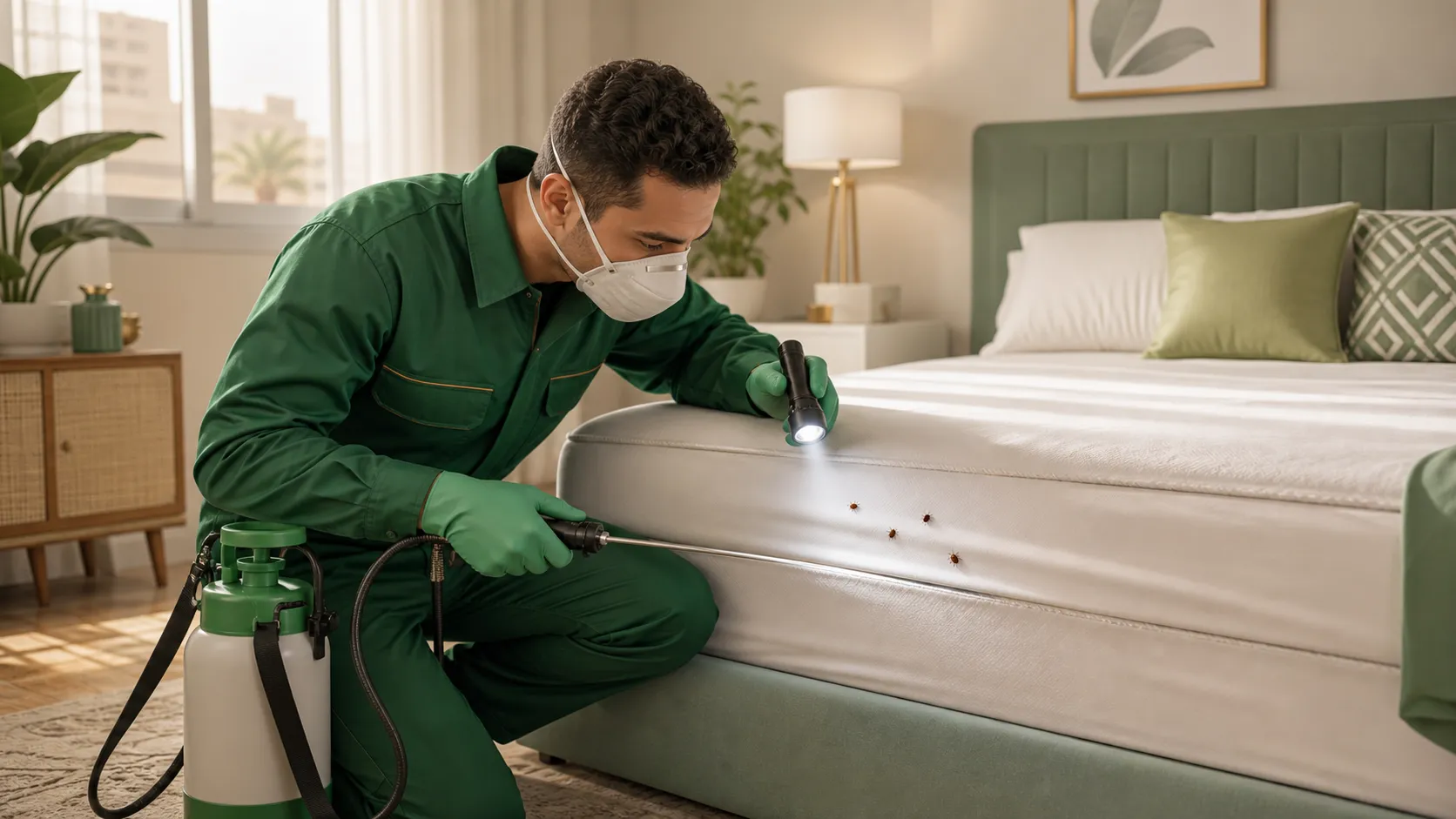
We clear bedbugs out for good — without you having to throw away your room
Learn more WhatsApp
Flies carry contamination onto your food and breed in rubbish and drains, so simply chasing them off won't do. We hit the breeding source itself, set traps and safe products in the right places, and give you a few simple hygiene tips that keep them from coming back. Things improve within days.
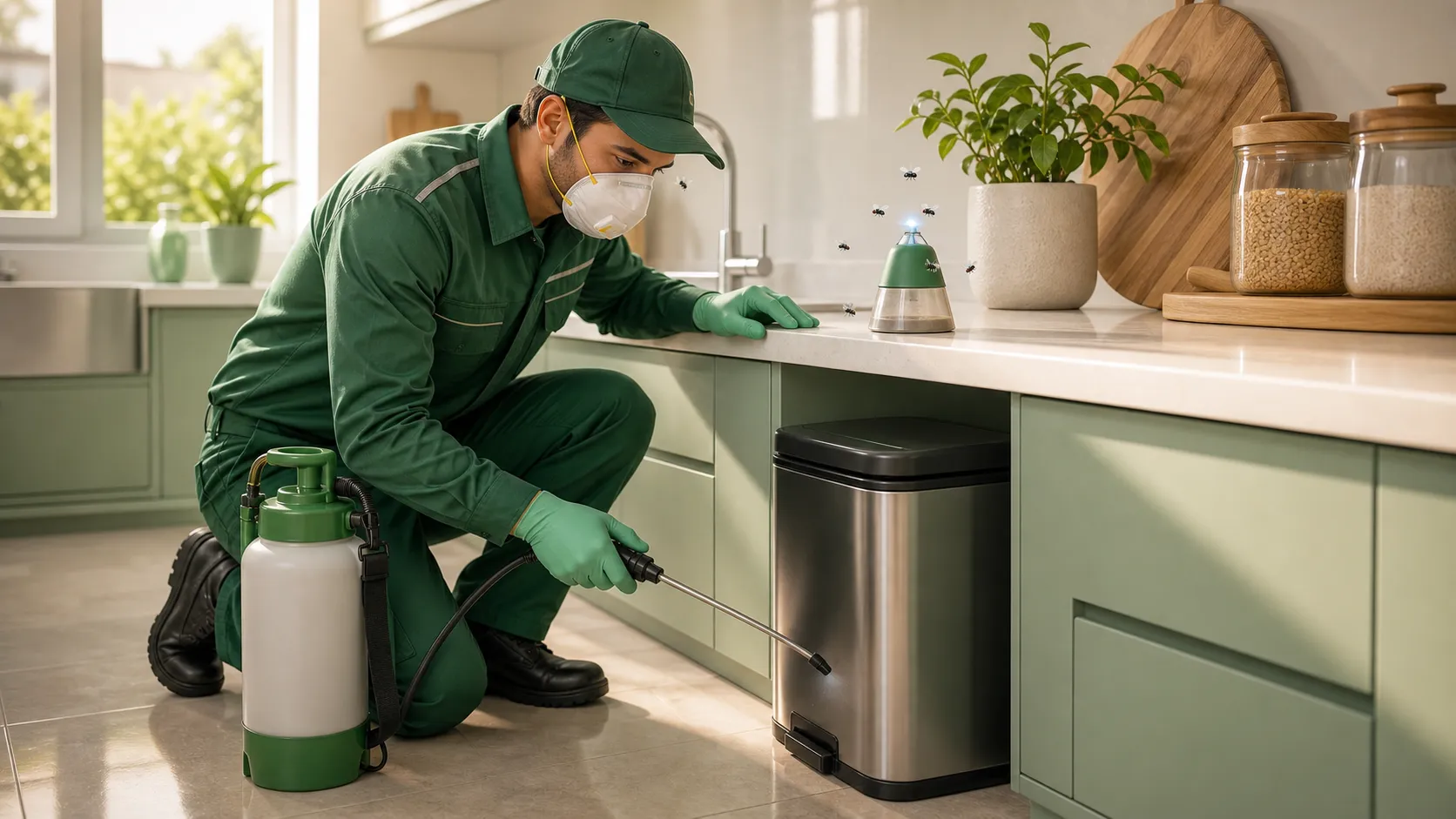
Flies carry contamination onto your food and breed in rubbish and drains, so chasing them off for a moment is no fix. We have to go after where they breed.
Identifying and treating the breeding sources
Traps and safe products placed in the right spots
Hygiene advice to prevent a return
Safe solutions near food-preparation areas.
A clear improvement within days.
Increases in summer.
Flies are one of the most aggravating things to deal with at home or at work, and not just for the endless buzzing as one circles your head. The real problem is what a fly does as it goes about its day: it lands on rubbish, drains and animal waste, then settles on your food or your children’s plate, carrying microbes you can’t see. If you’ve landed on this page, the odds are you’ve got a lot of flies in the kitchen or around the bins, or in your shop or restaurant, and you want a serious solution instead of swatters and aerosols that kill one fly while ten more keep coming. This problem can be solved, and at Queen Germany we solve it every day in Egyptian homes, restaurants and shops, with a clear plan that strikes the breeding source itself rather than the fly hovering in front of you.
On this page we’ll explain where flies breed and how they get indoors, why they’re a genuine health risk rather than a mere nuisance, how we deal with them from the source, and why so many people choose our fly control service. At the end you’ll find a large frequently asked questions section about how to get rid of flies for good.
Most people treat flies as nothing more than an annoyance, and that mistake quietly costs the family its health. Flies are among the most dangerous germ carriers indoors, and the reason lies in how they live. A fly feeds and lays its eggs in the filthiest places imaginable: rubbish, drains, rotting food scraps and animal waste. Microbes cling to its legs and body, then it lands directly on your food, carrying filth from the bin to your plate in seconds. Worse, when it settles it leaves behind saliva and waste, passing germs straight onto what you and your children are about to eat. This is why flies are linked to gastrointestinal infections, diarrhoea, food poisoning and typhoid, especially in hot weather when food sits uncovered. Children are the worst affected, because their immunity is weaker.
Beyond health, a lot of flies make a home feel unclean even when it isn’t, bother your guests, and leave you embarrassed to put out food. In restaurants and shops it’s far more serious, because a single fly past a customer can cost you your reputation, something we’ll detail below. And the fly you see is only the last stage of a long cycle that began in a hidden breeding site. Swatting it cuts the numbers for a moment, but the source that produces dozens more every day carries on working. A real fix has to reach the source, which is exactly what we do.
The most obvious sign is seeing a lot of flies in the air, especially around the kitchen, the bins and the windows. But there’s a difference between a fly or two coming in through the door and a genuine infestation with a breeding source inside or close by. If the numbers climb day after day, or flies return after you’ve swept and cleaned, or you spot them clustered on one thing, there’s an active source that needs treating rather than chasing away. Among the signs that confirm a problem:
The sources are the key to understanding why the problem keeps coming back. Flies breed anywhere there’s decaying organic matter and moisture: rubbish left uncovered or not thrown out regularly, food scraps in the sink and the drain strainer, drains and gully entrances where a greasy layer builds up, animal waste on the balcony or in the garden, and damp spots such as under the sinks. In restaurants and shops this is compounded by kitchen waste and vegetable stores.
If you find any of these signs, don’t just reach for the swatter, because every day the source is left alone produces a fresh generation. Get in touch and we’ll send a specialist to carry out a survey, pinpoint where the flies are breeding, and treat the source at its roots.
There are plenty of companies that spray and leave, and we won’t claim to be the only ones. But there’s a fundamental difference in how we work: we treat flies as a source problem, not a flying-insect problem. Anyone can spray pesticide into the air and kill whatever’s flying right now; what makes the result last is reaching the place the flies come out of and treating it.
We start by treating the source, not by spraying. Before we spray anything, we identify the nearby breeding sites and treat them, because they’re what produces the flies in the first place. A company that only sprays kills what’s in front of it while the source produces a fresh generation the next day. We break the cycle from the start.
A trained team that reads the place correctly. Whoever comes to you doesn’t spray on the off chance. The technician hunts down hidden breeding sites, tells fly species apart, and chooses the right solution for each setting, whether a home, a restaurant or a farm.
Solutions that are safe around food. The heart of the fly problem is around food, so we use solutions suited to use near food preparation areas, such as traps and baits at specific points, rather than drenching the kitchen in pesticide. This keeps the fly treatment both effective and safe.
Practical prevention advice, not vague talk. A core part of our service is telling you precisely what’s bringing the flies back and how to shut the door on them, because control without dealing with the daily source always falls short.
Speed and coverage. We do our best to reach you quickly, and we cover every governorate in Egypt. If you’ve got a problem in a restaurant or shop that needs a fast solution before it hits your business, we’re there for you.
We offer all of this at a fair price that’s clear from the outset. If you’re looking for the best fly control company that combines work which catches the source with a reasonable price, we’re well worth trying. And if you’ve got another problem alongside the flies, such as mosquito control or cockroach control, we’ll handle it on the same visit and save you money.
A lot of people start with remedies from around the house, which is natural. The swatter, sticky paper, aerosols, fans: all are attempts to cut the number of flies. The trouble is that every one of them tackles the symptom, not the disease. They reduce the flies in the air right now, but the source stays exactly as it was, so within hours they’re back in the same numbers or more. Let’s be honest about why:
The difference between you and a specialist isn’t the pesticide; it’s knowing exactly where the flies are breeding and striking that spot:
| Point | Home remedy | The specialist (Queen Germany) |
|---|---|---|
| Dealing with the breeding source | Ignores it | Identifies and treats it |
| Effect on larvae and eggs | None | A core part of the plan |
| How long the result lasts | Hours, then it’s back | Days, improving and lasting |
| Safety around food | Inconsistent and random | Suitable solutions at measured doses |
| Prevention advice | Personal guesswork | A practical plan from an expert |
So a home remedy may ease the nuisance for a moment, but it rarely closes the problem, because it doesn’t reach the source. Do the maths and getting the work done right from the start turns out cheaper and far less hassle.
So you know what you’re getting into, here’s how the plan runs from the moment you contact us until your place is rid of flies. We work on three fronts together: we strike the breeding source, catch the existing flies with traps, and carry out a targeted spray that cuts the numbers and stops them settling.
The first and most important thing we do is hunt down the source. The technician inspects the kitchen, sink, drains, rubbish areas, the balcony and garden if there are any, and any spot with moisture and organic matter. This diagnosis shapes the plan, because flies from a drain aren’t the same as flies from rubbish outside, nor the same as fruit flies. We don’t spray before we understand, so we strike accurately.
Once we’ve identified the breeding sources, we treat them, and this is the heart of the whole plan. We treat drain entrances and gullies where drain flies breed, deal with the spots where organic waste collects, and eliminate the larvae before they grow and take to the air. If the source is a rubbish area or a damp zone, we treat it and tell you how to stop it returning. Without this step, any spray is merely temporary.
We place fly traps where they gather and come in, such as near windows, entrances and food areas, drawing in the existing flies and noticeably reducing their number. These traps are very safe around food because they don’t release pesticide into the air, and they keep working, catching any new flies.
We carry out a residual spray on the surfaces flies land and rest on, such as around windows, entrances and external surfaces. The spray stays effective for a period, so any fly landing on a treated surface is affected. We apply it away from direct food preparation areas, to preserve both safety and effectiveness.
At the end we tell you what was done and what’s required of you so the problem doesn’t recur, chiefly managing the rubbish and cleanliness. If the situation needs follow-up, we arrange it with you. That brings us to the advice section below.
The most repeated question, given that the fly problem sits around food, is: “Will this affect us and the food?” That’s a thoroughly reasonable question, and we take it seriously, because safety around food is a priority for us, not a luxury.
Our plan is built around reducing reliance on spraying near food. The larger part of the solution is treating the source and the traps, neither of which spreads pesticide on your food. The residual spray goes on the surfaces flies land on, such as around windows and entrances, not on the food preparation counter or the dishes. The materials we use are approved and suitable for use where there’s food when applied correctly. It isn’t just the type of material; it’s the place and the dose too. The technician places solutions at specific, measured points rather than drenching the area. We advise you to cover the food and dishes, or move them, before the work, and to let the place air out for the short period we set, after which everything goes back to normal.
For children and animals, we make a point of placing traps and baits out of their reach, and we spray at times and in places that minimise contact. If you have an infant or a pet, tell us from the outset and we’ll arrange the plan to suit you. And a point worth repeating: the cheap, adulterated materials sold on the market and sprayed haphazardly next to food are the real danger, because their origin is unknown and they’re applied in heavy amounts on the fly. When you work with a proper pest control company, you’re choosing safety for your family, not the opposite.
We’re confident in how we work, and that’s why we stand behind the result. Once we’ve finished the plan, the result shows and improves within days, not weeks. If the place needs follow-up, or activity appears after treatment within the agreed period, we come back and deal with it.
But let us be honest on a point specific to flies: they differ from other insects, because a large part of the problem persisting is tied to an external source that isn’t in our hands. If there’s a rubbish dump next to the house, or the neighbours throw their waste out uncovered, or there’s a butcher’s shop below you, that source keeps producing flies no matter how much we treat your place. So we tie the guarantee and follow-up to the sources within our control, and tell you frankly which external sources need dealing with on your part or the neighbours’. This transparency is what sets apart a fly control company that works properly from one that takes your money and promises the impossible.
The question of price is natural, and you’ve every right to know what you’re paying for. But we have to be honest: there’s no fixed price to quote over the phone before a survey, and anyone who gives you a final figure without seeing the place is guessing. The price of fly control is set by several factors:
That’s why we carry out a survey first, then give you a clear price with no surprises. We always try to be among the cheapest fly control companies relative to the quality you get, not the cheapest that sprays and leaves. Over the long run, work that catches the source works out cheaper, because it stops the flies instead of leaving you paying every month for a temporary spray.
Professional control reduces flies and treats their source, but a few simple habits on your part shut the door on their return, most around managing rubbish and cleanliness. This advice isn’t a substitute for the specialist, but it complements them and makes a big difference:
And if you notice the flies climbing again despite the advice, there’s most likely a hidden or external source that needs a specialist. Don’t wait, get in touch and we’ll carry out a survey; early prevention is always cheaper and easier than the problem once it grows.
Flies don’t distinguish between one place and another, but their impact does, and in commercial settings it’s far more serious because it’s tied directly to your reputation and your business. We tailor a plan to each type:
Restaurants and cafés: the most sensitive setting of all. A single fly past a customer can cost you the client and damage your reputation, and there are health requirements to comply with. We focus on the breeding sources in kitchen waste, drains and vegetable storage, place safe traps in the dining area away from the food, and run a regular programme that keeps your place clean.
Kitchens and bakeries: these places have organic matter, warmth and moisture, all of which draw flies in. We treat the sources precisely and use solutions suited to areas where food is prepared, reconciling effectiveness, safety and the health requirements.
Farms and animal pens: here the challenge is greater, because animal waste and feed make a huge breeding source. We deal with the source in an organised way, use solutions suited to the setting and the animals, and put in place a plan that cuts the numbers and prevents breeding, with advice on managing the waste.
Shops, businesses and warehouses: any place that receives people or stores food needs to stay free of flies. We carry out a survey, identify the entry and breeding points, and put in place a solution that keeps your place clean and gives a good impression to customers and staff.
In every case the foundation is the same: we strike the source, catch what’s there, and prevent the new. What differs is the nature of the place and the scale of the work. Get in touch, tell us the type of place you have, and we’ll lay out a plan to suit it.
Wherever you are, we’re closer than you imagine. Our fly control service covers Cairo, Giza, Alexandria and every governorate in Egypt, from the major cities to the towns and villages. Whether you’re in New Cairo, Nasr City, Heliopolis, 6th of October, Sheikh Zayed, Maadi, Mansoura, Tanta or anywhere else, our team can reach you.
We understand that flies increase in hot weather and in areas near farms, water and markets, which is why we try to be the fastest fly control company to arrive, especially for restaurants and shops where it affects business. Get in touch with your location and we’ll arrange the nearest technician as soon as possible.
The improvement shows within days, especially if the source is inside the place and we’ve treated it. How long it lasts depends on the source: if it’s within our control, the result lasts; if there’s an external source such as the neighbours’ rubbish or a nearby dump, we tell you frankly, because that needs dealing with on your part too.
Because spraying kills only what’s flying at that moment, while the breeding source keeps working and produces a fresh generation the next day. We work the other way round, treating the source first, then catching what’s there with traps and a targeted spray.
Yes, flies are among the most significant germ carriers: they land on rubbish, drains and animal waste, microbes cling to their bodies, and they settle on your food and pass it all on. That’s why they’re linked to gastrointestinal infections, diarrhoea and food poisoning, a genuine health risk, particularly for children.
Yes, when applied correctly. Our plan reduces spraying near food and relies more on treating the source and traps, with the spray going on the surfaces flies land on, away from the food preparation counter. We advise covering the food and airing the place out for a short period afterwards.
Flies lay their eggs in any decaying organic matter with moisture: uncovered or accumulated rubbish, food scraps in the sink and the drain, drains, and animal waste. The eggs hatch into maggots that grow and produce new flies, which is why treating the source is the solution, not swatting the flying flies.
We always try to arrive the same day or the next, depending on your location and how busy the schedule is. If you’ve got a restaurant or shop and it’s affecting your business, tell us and we’ll try to bring you forward, because the source produces new numbers every day.
Get in touch and we’ll explain the details of the survey and the costs transparently before we move, with no surprises, so you know what you’re paying for and get a clear picture of the problem and its source.
Because every place is different: the size of the problem, the type of place and whether there’s a large breeding source all have an effect. A restaurant with kitchen waste isn’t the same as a flat with flies off the balcony, so anyone who quotes a final figure before seeing the place is guessing, and we survey first.
Because surface cleaning isn’t enough if there’s a hidden breeding source, such as the drain, the sink strainer, rubbish outside, or animal waste, or an external source such as a dump or a butcher’s shop nearby. We carry out a survey to find it precisely, because that’s what brings the flies back despite your cleanliness.
Yes: the large house fly, the small fruit fly that gathers on fruit and sweet things, and the drain fly that comes out of the gully and the sink. Each type has a different breeding source and a different way of dealing with it, so the technician identifies the type first rather than spraying them all the same way.
The residual spray affects the fly that lands on the treated surface and reduces the numbers gradually, but the real, lasting result comes from treating the source so no fresh generation emerges. That’s why we don’t rely on spraying alone; we combine the source, the traps and the spray.
Yes, completely. Restaurants need a greater focus on the breeding sources in the kitchen, drains and food waste, safe traps in the dining area away from customers, and compliance with the health requirements. We run a regular programme rather than a single visit, because a restaurant produces waste every day.
The improvement shows within days after we’ve treated the source and put in the traps and the spray. The speed depends on the size of the problem and the source: simple infestations improve quickly, while those with a large source such as restaurants and farms take follow-up so the result lasts.
Traps are important because they catch the existing flies safely around food, but on their own they aren’t enough if there’s an active breeding source. They deal with the flying flies, while the source that produces a fresh generation has to be treated, which is why we combine traps with treating the source.
In most cases no, because a large part of the plan is treating the source and traps. If there’s spraying, we ask you to cover the food and dishes and let the place air out for the short period we set, so you don’t need to leave for days, and in restaurants we coordinate a time that suits the business.
The most important thing is managing the rubbish: keep it closed with a lid and throw it out regularly, clean the sink strainer, don’t leave food uncovered, clear up animal waste quickly, and seal the gaps in your windows. Read the prevention advice section above, and we’ll tailor more detail to your place after the survey.
Yes. If you’ve got mosquitoes or cockroaches alongside the flies, we can treat them on the same visit and save you time and money, especially as many fly sources such as drains and moisture draw other insects in too. Tell us everything that’s bothering you.
Flies become active and increase noticeably in hot weather and the start of summer, because the heat speeds up their breeding. But that doesn’t rule out their presence at other times if there’s a warm, damp breeding source such as kitchens and farms, so dealing with the source matters all year round.
We treat the sources within your place and under your control. External sources such as a public dump or the neighbours’ waste need dealing with by their owners or the responsible authority, which we explain frankly during the survey; we can help with solutions that reduce flies coming in from outside, but the external source itself needs a solution at its source.
If you’ve made it this far, you’re serious about ridding your place of flies and protecting your family’s health or your business’s reputation. The next step is simple: call us or message us on WhatsApp, tell us where you’re seeing the flies and how many, and we’ll arrange a survey as soon as possible. You’ll find a team that understands where flies breed, treats the source rather than just chasing off what’s flying, and gives you practical advice to prevent their return.
Flies aren’t merely a nuisance; they’re a germ carrier that comes into your home on your food. Don’t let it grow, and give your place back its cleanliness and comfort. At Queen Germany we’re ready to help you, today rather than tomorrow.
A clear process that keeps you across every step, with no complications and no surprises.
Give us a call or message us on WhatsApp, tell us the type of problem and your area — and we'll arrange an appointment that suits you.
The technician identifies the type of pest, its source and the severity of the infestation, so the treatment is right first time.
We suggest a plan suited to your situation and an upfront price before we start — the decision is yours.
A trained team carries out the work with licensed products and targeted methods, with the least possible disruption to your home.
We follow up with you after the service and stand behind the result — and if any activity returns, we come back at no cost.
Our teams are spread out and cover Greater Cairo, Alexandria and the rest of the governorates. Tell us your area and we'll arrange the nearest team as quickly as possible.
+ and every other governorate in the country
We've gathered the questions that reach us most. If you have another, we're just a message away.
Absolutely. We offer regular contracts for restaurants, cafés, clinics, offices and warehouses, with hygiene standards and regular follow-up reports that keep the place clean and safe all year round.
We cover every governorate in Egypt — Cairo, Giza, Alexandria and the rest. Give us a call, tell us your area, and we'll arrange the nearest team for you.
Yes, we provide a written guarantee that varies according to the type of pest and the severity of the infestation, along with a follow-up after the treatment. If any activity returns during the guarantee period, we'll come back and treat it again at no extra cost.
In most cases, no, because we use targeted methods and safe products. Only in certain situations do we recommend airing the place for an hour or two, and we'll tell you exactly what to expect beforehand so you're comfortable.
We have virtually odourless options that are well suited to sensitive spaces and offices. And if we use a product that leaves a faint trace, it clears with a bit of airing in no time.
The price is set after a quick inspection, based on the type of pest, the size of the space and the severity of the infestation. We give you a clear, upfront price before we start, with no surprises or hidden charges.
Yes. We use licensed, approved products and apply them in the right amount and in targeted areas. In most cases you can return home after a quick airing, and we also offer virtually odourless options for sensitive spaces such as bedrooms and children's rooms.
More often than not we can reach you the same day or within 24 hours, depending on your area and how busy the schedule is. If it's urgent, give us a ring or message us on WhatsApp and we'll arrange the earliest possible appointment.
Still have a question?
Ask us on WhatsAppWe clear bedbugs out for good — without you having to throw away your room
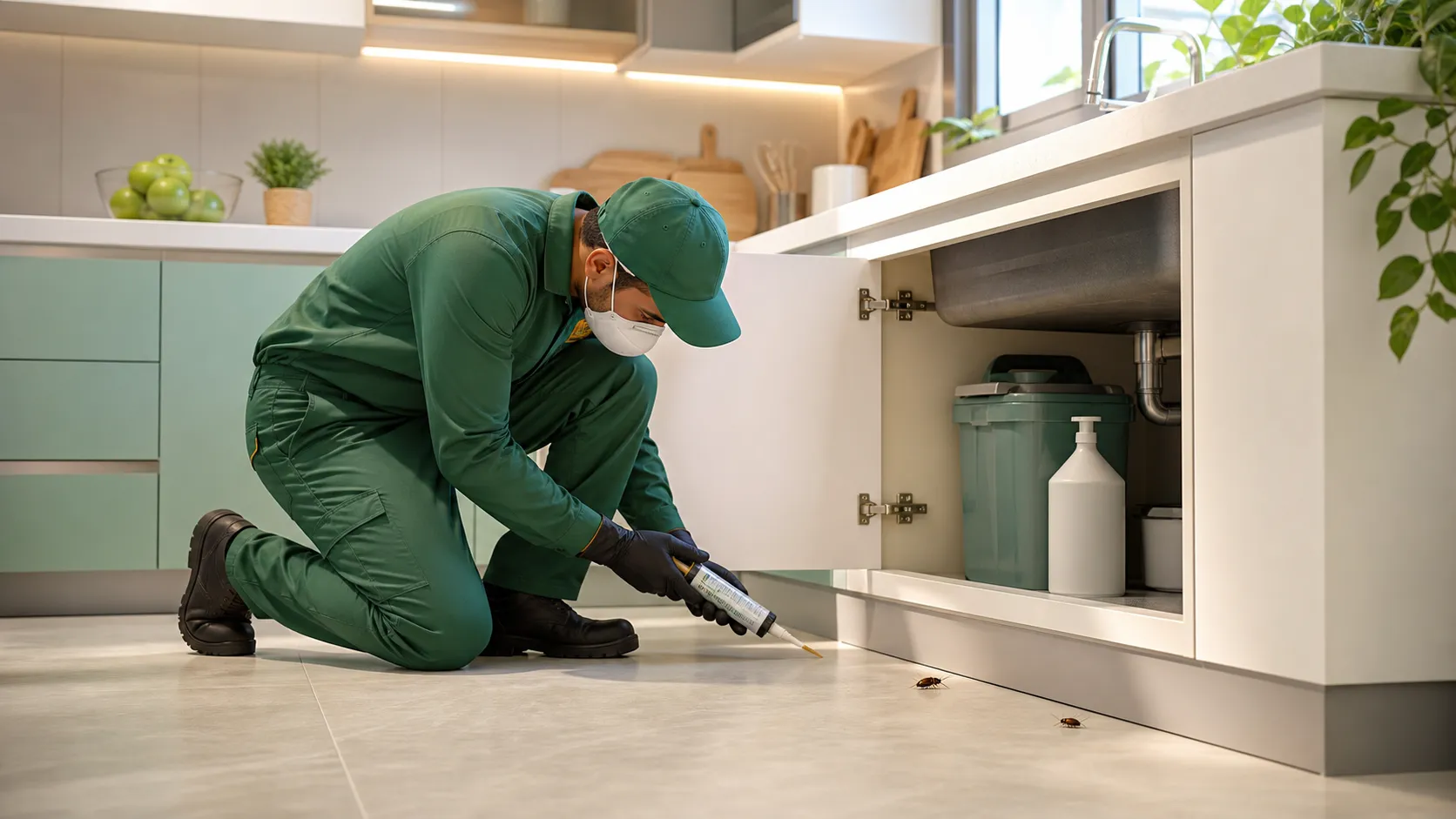
We wipe out cockroaches and their eggs in the kitchen and bathroom
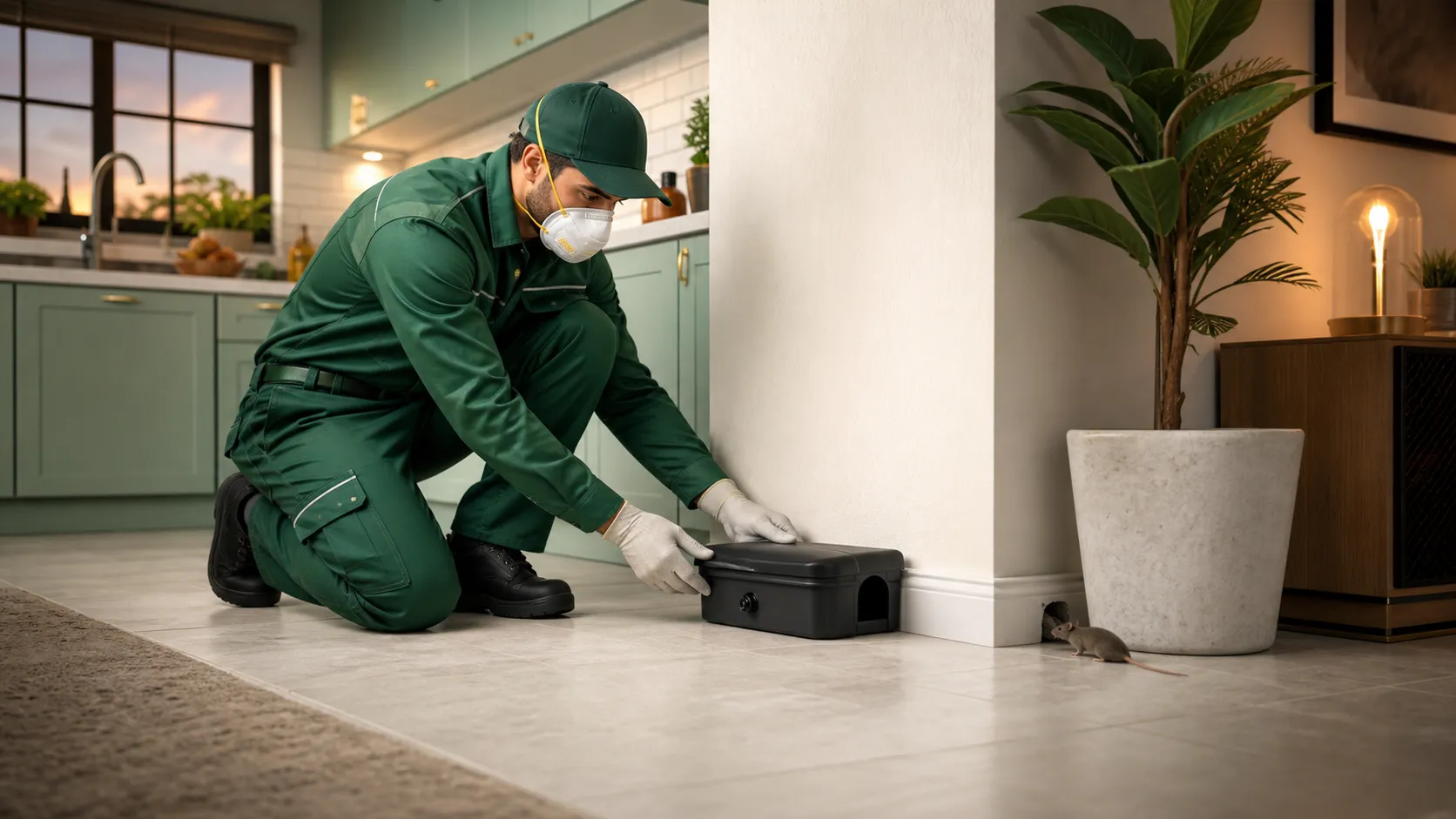
We close off every route the mice use and stop them coming back
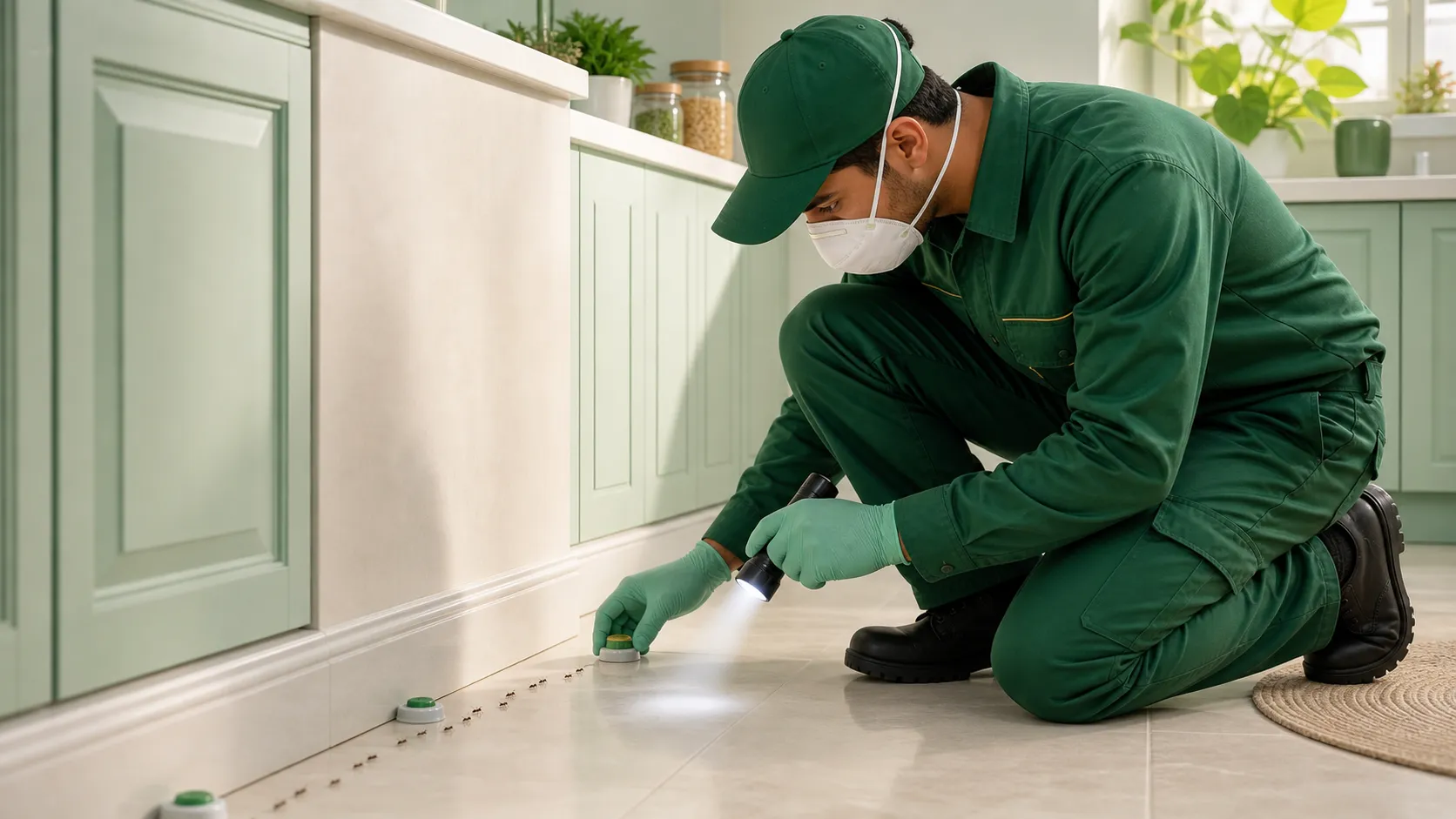
We stop the ant trails at the nest itself
Call or message us on WhatsApp now. We'll be with you the same day, God willing, with a clear plan, an honest price and a written guarantee.
01016613352Open 24 hours a day, 7 days a week