Top Bedbug Control company
Bedbug Control
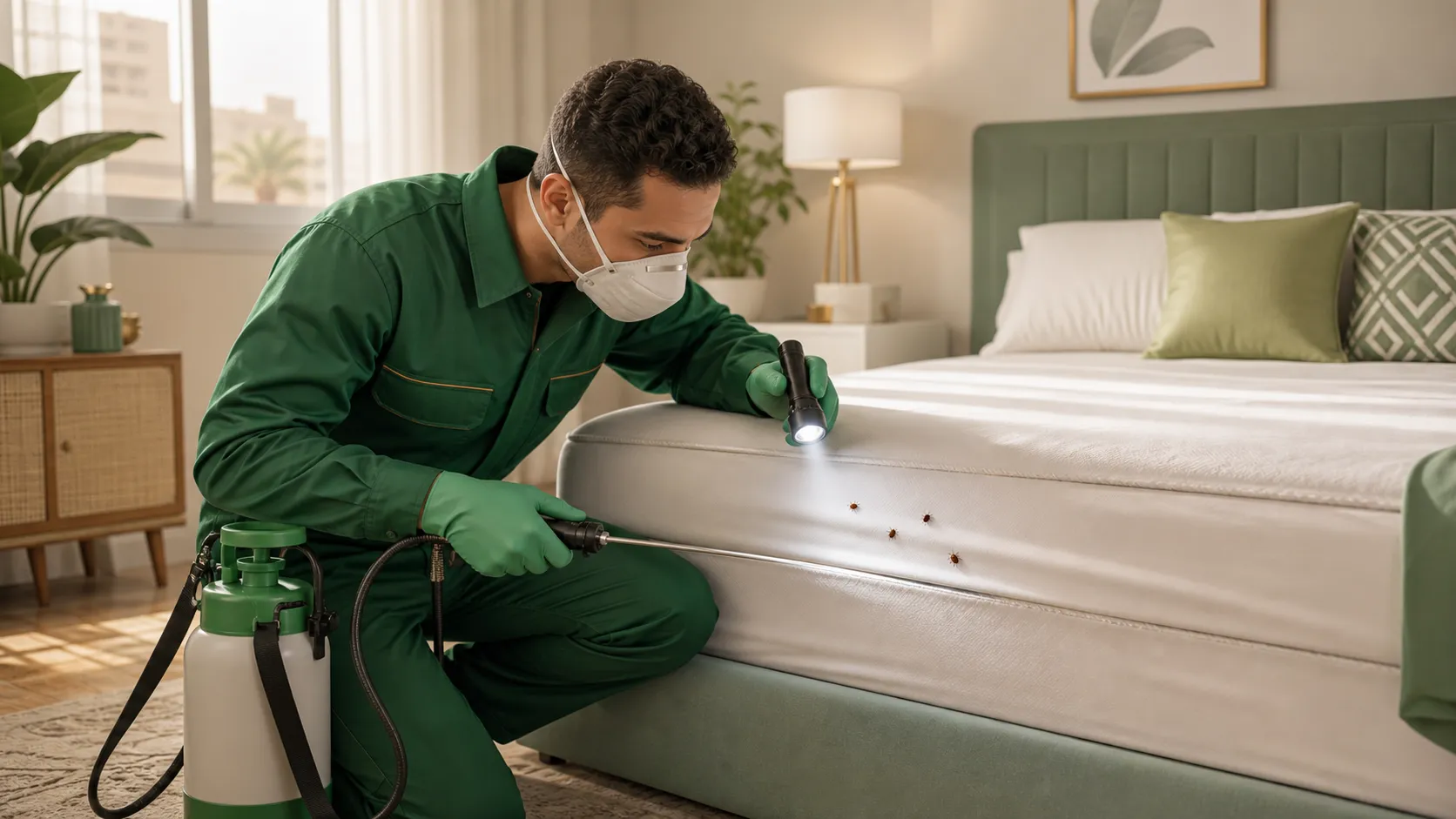
We clear bedbugs out for good — without you having to throw away your room
Learn more WhatsApp
Sandflies turn up in force near water and farmland and slip into the house through any opening, and their bites sting, particularly around dusk. We treat the nearby openings and surfaces and spray around windows and balconies, then give you a few simple tips on lighting and sealing gaps to keep them out.
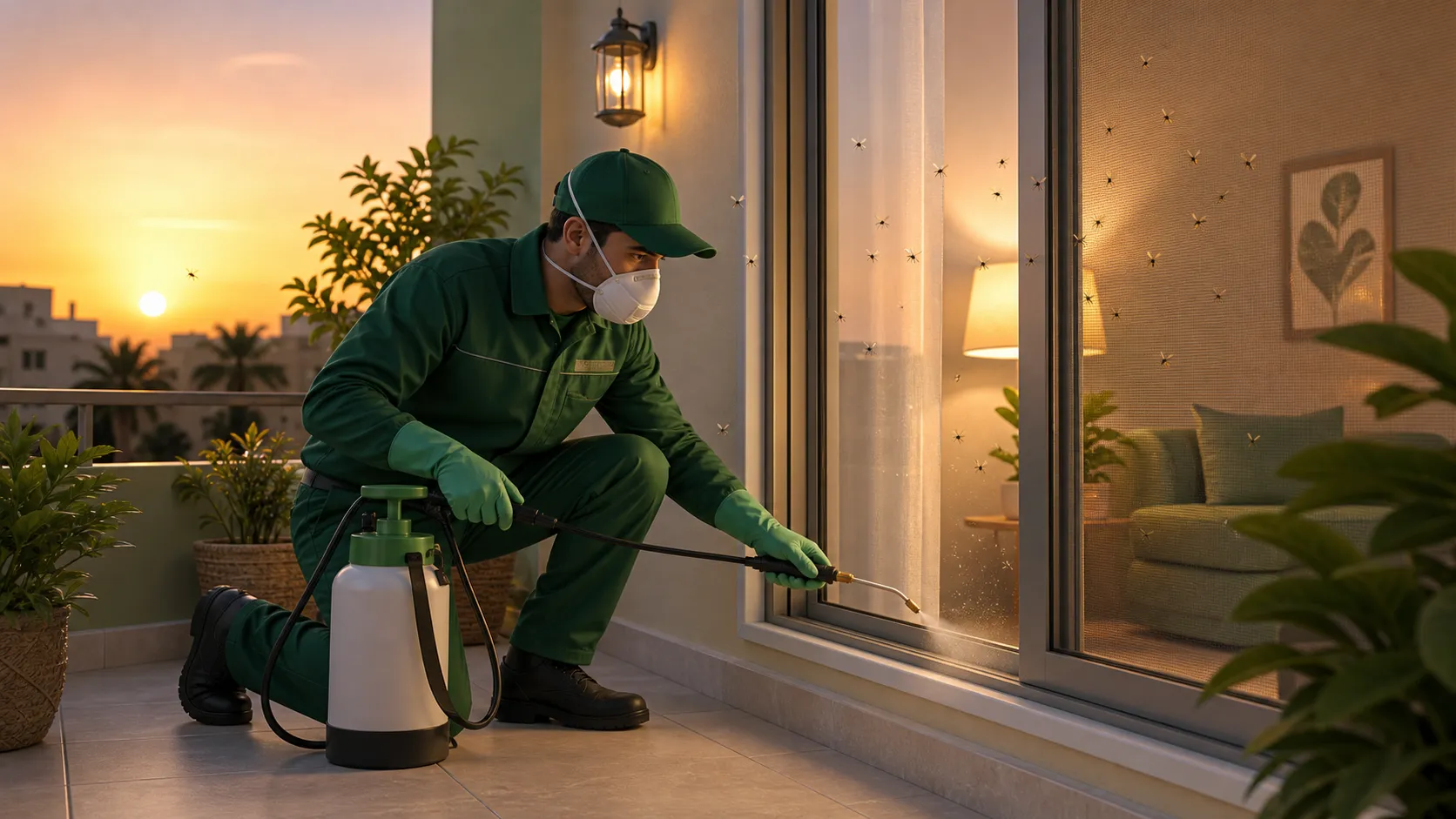
Sandflies show up in large numbers near water and farmland and get into the house through any opening, and their bites sting, especially around dusk.
Treating nearby openings and surfaces
A repellent spray around windows and balconies
Advice on lighting and closing off openings
A spray that's safe once aired out.
A noticeable drop from the very first visit.
Increases in summer and near water.
Sandflies are so small that plenty of people spend weeks unsure what is actually biting them. You settle on the balcony after sunset, crack a window for some air, and suddenly notice a thin cloud of tiny insects drifting around your face. A few minutes later a small red spot starts itching on your leg. If that sounds like your home, you are in the right place. Here at Queen Germany we deal with sandflies every day in homes near water, farmland and the coast, and we have a clear plan that cuts their numbers down noticeably, without you shutting the house up and denying yourself fresh air all season.
Let me be straight from the first line: a sandfly is not an insect you treat with one spray inside a room and call it done. It breeds outdoors to begin with, in damp spots close to you, then comes inside through any opening it can find. That is why proper sandfly control has to work on the perimeter around the home and on the breeding sites, not just on the insect on the wall. Effective sand fly treatment is about the source first and the room second. That is exactly what we will walk you through here: where sandflies come in from, how to tell you genuinely have a problem, how we deal with them step by step, and why so many people near water and farmland choose our pest control company in Egypt for this. At the end you will find a large frequently asked questions section that answers what is running through your mind right now.
Sandflies look harmless because they are tiny, but anyone who has lived alongside them for a day knows otherwise. The first thing is the bite. A sandfly bites rather than feeding quietly the way some insects do, and it leaves a red spot that itches in a genuinely irritating way. Some people’s skin reacts more strongly, so the bite stays open and itchy for several days. Children are affected more, and you will often catch them scratching their legs and faces after sitting out on the balcony in the evening.
The second thing is the timing: dusk and the early part of the night, exactly when you want to relax, have dinner outside, or open a window for some air after a hot day. People who live near water or greenery find the balcony and garden become unusable at certain hours, and that quietly takes a big chunk out of your comfort.
There is a point a lot of people overlook: when sandflies become numerous, it means there is an active breeding source working away close to you. The problem does not stop at the annoyance. It is a sign of damp, standing water or wet mud somewhere around the house hatching insects. Leave those conditions as they are and the numbers climb with the warmer weather, especially in summer and near water. What began as a handful on the window can turn into swarms every night if nothing is done.
We also have to be honest about something else. Certain types of sandfly, the ones often called sand flies, are known to be capable of transmitting skin diseases in particular areas. We are not telling you this to frighten you, but so you understand that reducing sandflies around your home is not a luxury. It is part of protecting the health of everyone in the house, especially children and the elderly. Dealing with it early closes the door on the problem before it grows and ruins your peace for the whole season.
The first and clearest sign is the small swarms. Sandflies gather into a thin cloud of minuscule insects that drifts around your face and eyes, particularly at dusk and in the early evening. The insect itself is very small, far smaller than an ordinary mosquito, pale and tending towards grey or brown, and it moves in a random, jerky way. If this cloud recurs every night at the same time, that is a strong signal there is a breeding source nearby, not merely insects passing by chance.
Other signs confirm it:
Now the most important part: the breeding sites. Sandflies love damp places, wet mud and shallow standing water. Let us walk around your home and see where they might be hatching:
Together, these signs give you a picture. But you do not need to diagnose it on your own. Get in touch and we will send a specialist to carry out an inspection, pinpoint exactly which breeding sources are nearby, and tell you where the problem is coming from. You can contact us whenever suits you.
There are plenty of companies on the market, and we are not going to claim we are the only one. But there is a genuine difference between a company that gives the window one spray and leaves, and a company that understands a sandfly breeds outdoors and that you have to deal with its source. We work the second way.
We treat the source, not the symptom. This is the most important difference. Most people who complain that spraying “does nothing” against sandflies say so because whoever they hired sprayed inside the house and left the breeding sites outside exactly as they were. We start with a perimeter inspection, identify the standing water and damp spots nearby, and treat them, so we reduce the numbers at the root rather than just chasing off whatever got inside.
We work to German standards. The name is not a slogan, it is an approach: diagnosis before any spraying, choosing the right product for the location (perimeter, surfaces, around openings), and accurate doses based on the size of the problem. The difference between considered work and work done on a wing and a prayer shows in the number of insects after the first visit.
A trained team that understands sandfly behaviour. The person who comes to your home knows the sandfly is a crepuscular insect, active at dusk and dawn, knows it gathers around lighting, and knows it gets in through any gap. That knowledge keeps the treatment aimed at the right places, rather than random spraying into thin air.
A repellent spray around the openings. Beyond treating the perimeter, we apply a residual, repellent spray around the windows, balconies and doors, to create a barrier that reduces sandflies getting in, especially during their active hours.
Results you see from the first visit. Sandflies are one of those insects where correct treatment shows quickly. We are not telling you to wait a month; you will feel a noticeable drop in numbers from the first visit, and we follow up so the result holds throughout the season.
Safe products once aired. We use approved products and apply them in a way that keeps your home safe for your children and pets once it has been aired and has dried. We are not going to make you leave the house for days or breathe in a choking smell.
All of this comes at a fair, clear price agreed from the start. And if you have other flying insects bothering you alongside sandflies, such as mosquitoes or flies, we deal with them on the same visit and save you money, because their breeding sites tend to be close together and we treat the perimeter once for all of them.
It is natural to start with remedies from around the house or the supermarket before ringing a company. But with sandflies in particular, those remedies ease the nuisance for an hour or two and then the problem comes straight back. The reason is simple: the sandfly breeds outdoors and gets in through openings, so any solution that deals only with what is inside the house is carrying water in a sieve.
Let us be honest about each remedy and why it fails on its own:
The difference between you and a specialist is not in the spray can. It is in knowing this is a perimeter and source problem, not an insect-on-the-wall problem, and that to truly get rid of sandflies you have to break the breeding cycle outside. Take a look at this table:
| Point | Home remedy | The specialist |
|---|---|---|
| Treating the breeding source | Almost none | A core part of the plan |
| Dealing with openings | Limited and superficial | Repellent spray around windows and balconies |
| Sandfly active hours | No considered timing | Treatment aimed at the active hours |
| How long the result lasts | A few hours | A noticeable reduction with follow-up |
| Safety | Inconsistent and haphazard | Approved products at measured doses |
So a home remedy might settle one night, but it rarely sorts out the season. And if you do the maths, treating the source properly once at the start works out cheaper, and far easier on your nerves, than fighting the battle alone every night.
So that you feel reassured about exactly what you are getting into, let me show you precisely how the visit goes, from the moment you call us to the moment the balcony and the window become usable again.
The first and most important step, and without it any work is incomplete. The technician walks around the home and looks at the standing water, the wet mud, the plant troughs, the nearby drains, and the edges of the lawns. The aim is to find exactly where the sandflies are hatching, because that determines the treatment plan. We also look at the openings they use to get in. This diagnosis is the foundation, and we do not quote a price before we have seen things.
Once we have identified the sources, we deal with them. The damp and muddy spots nearby we treat with products that reduce breeding, and we alert you to standing water that needs to be drained or covered. This breaks the cycle of numbers at the root, and it is the part most companies ignore, which is why the sandflies come back to them. If there is a source outside your control, such as a public drain or a canal, we tell you how to deal with it and concentrate on the barrier around your home.
This is the stage that protects the house from the inside. We apply a residual, repellent spray around the windows, balconies, doors and nearby surfaces, to form a belt that reduces sandflies getting in and stays working for a while after the visit. We focus on the spots where they gather near lighting and openings, so the treatment lands where it should rather than into empty space.
Part of the plan is adjusting the conditions that attract sandflies and make it easy for them to get in. We give you practical advice on the type of lighting and where to put it, on the right mesh (because sandflies pass through ordinary mesh and you need a finer one), and on when to open the windows. This advice makes the result of the treatment last longer.
Sandflies are tied to the season and to humidity, so we come back to check the numbers have dropped and stayed down, especially at the peak of summer activity and near water. If a rise appears because of a new condition such as rain or heavy irrigation, we adjust the treatment. This follow-up is what makes the difference between a temporary reduction and one that lasts the whole season.
The question that comes up most when there are children or pets in the home is: “Is this spray going to affect us?” That is a fair question, and we take it seriously, especially as a large part of the sandfly work happens on the perimeter and the balconies where the children play.
The products we work with are approved, licensed pesticides. It is not just the type of product, it is also where and how it is applied. Most of the work is outside or around the openings and surfaces, not on the surfaces you sit on indoors. Even when we spray around the windows and the balcony, we apply the product at a measured dose and leave it to dry.
The important advice after any treatment is airing. We tell you to let the place air and dry for the period the technician specifies, and after that the house and balcony are back to normal. We are not going to ask you to travel or to move all the plants. If you have a pet that sits in the garden or on the balcony, we tell you to keep it away during the work and the drying period, after which it comes back as normal.
There is a point we have to put plainly: the cheap, unbranded products sold on the market and sprayed in random amounts are the real danger to your home, not the other way round. When you work with a proper sandfly control company that uses approved products at correct doses, you are in fact choosing safety for everyone in your household.
The sandfly is a seasonal insect, sometimes tied to conditions outside your home such as the irrigation of neighbouring land or rain that leaves standing water, so dealing with it calls for both commitment and realism. We promise you a noticeable reduction from the first visit, and that is something you will feel for yourself.
More importantly, the service is not one visit and goodbye. We follow up through the season to make sure the numbers stay down, and if a rise appears because of a new environmental condition, we come back, treat again and adjust the plan. We would rather be honest with you: the sandfly is affected by sources that may be outside your control (a public drain, a canal, agricultural land), which is why the ideal solution is a strong treatment of the immediate perimeter combined with regular follow-up, not a promise of zero sandflies forever while you live next to a canal. That clarity is what keeps our relationship with clients going for the long term.
The question of price is natural, and you have every right to know what you are paying for. But we have to be honest: there is no fixed price that can be quoted over the phone before an inspection, because the breeding sources and the area differ from one home to the next, and anyone who gives you a final figure without seeing the place is guessing.
The price is set by several factors:
That is why we carry out an inspection first, and then give you a clear, fixed price with no surprises. We always try to be among the most affordable sandfly control options for the quality you get, not the cheapest who gives one spray, leaves, and lets the problem return. Over the long run, treating the source properly works out cheaper than buying sprays every week all summer. If you would like a rough idea, get in touch and tell us about your home and how close it is to any water or greenery, and we will describe the likely situation and arrange an inspection. You can contact us any time.
Professional control reduces sandflies, but there are simple habits on your side that make the result last and close the door on their return. These tips complement the specialist rather than replacing them:
And if you notice the numbers suddenly rising after rain or heavy irrigation on neighbouring land, do not wait for it to grow. Get in touch and we will carry out a quick perimeter treatment. Early prevention is always cheaper and easier on the nerves than fighting swarms every night.
Sandflies vary from one place to another depending on how close they are to water and greenery, and each environment has its own way of being handled. We deal with all of these cases with experience:
Compounds and lawns: these are among the places where we work on sandflies most, because the daily irrigation of the grass and plant troughs keeps the ground constantly wet, an ideal breeding environment. We treat the edges of the lawns and the damp spots, create a barrier around the villas and units, and advise on irrigation management to reduce the source.
Villages and coastal areas: being near the sea, water and high humidity makes the sand fly very active, especially in summer. We focus on treating the perimeter and the openings, and put together a plan suited to the open nature of the place, which lets the insects arrive from wider areas.
Home gardens and villas: the garden itself can be a source if it has standing water or wet mud. We inspect the garden, treat the damp areas, and spray around the house and balconies, so you can use your garden at night without the swarms.
Farms, agricultural land and the homes near them: this is the hardest situation, because the breeding source is wide and continuous due to the irrigation. We carry out strong perimeter treatment and a barrier around the residential buildings, advise on arrangements that reduce the moisture near the home, and follow up closely because the activity renews with every irrigation cycle.
In every case the foundation is the same: identify the source, treat the perimeter and the breeding sites, build a barrier on the openings, and follow up. What differs is the scale of the work and how close the source is. Get in touch and tell us about your home and the nature of the place around it, and we will tailor a plan to suit it.
Wherever you are, we are closer than you think. Our sandfly control service covers Cairo, Giza, Alexandria and every governorate in Egypt, with a particular focus on areas near water, farmland and the coast, because they suffer from sandflies the most. Whether you are on the North Coast or in the canal cities like Port Said, Ismailia and Suez, or in the Delta governorates like Mansoura, Mahalla, Tanta, Damietta and Kafr El Sheikh, or in the agricultural areas of Upper Egypt, or in the compounds of New Cairo, 6th of October and Sheikh Zayed with their wide lawns, our team can reach you.
We always try to be among the fastest to arrive for sandfly control, because we understand this problem grows quickly in season. Get in touch with your location and how close your home is to any water or greenery, and we will arrange the nearest technician for you.
Sandfly is a common name for very small biting flies that gather in swarms, including the ones people call sand flies. They are far smaller than a mosquito, pale, most active at dusk, and breed in damp, muddy places and standing water before getting in through gaps that ordinary mesh cannot stop.
Most likely because your home is near a breeding source: standing water, irrigated land, a canal or drain, or a lawn watered daily. Sandflies love moisture and wet mud, so any source like that close to you makes the numbers rise, and identifying it is the first thing we do during the inspection.
With sandflies, correct treatment shows quickly, and you will feel a noticeable reduction from the first visit, because we treat the breeding source and build a barrier on the openings at the same time. The result holds better with follow-up through the season, especially if you stick to the prevention tips.
Because the sandfly breeds outdoors and gets in through openings. Spray only inside and leave the source working away, and a fresh generation arrives within hours. The correct solution starts with treating the perimeter and breeding sites, then a repellent spray around the windows and balconies.
Some types, specifically the sand fly, are known to be capable of transmitting skin diseases in particular areas. Not every bite means disease, but large numbers near your home raise the chance, which alone is reason enough to reduce them, quite apart from the itching and irritation they cause.
They are most active and bite most at dusk and in the early night, and near dawn, targeting exposed areas like the legs, hands, face and neck. Bites increase when you sit near windows or out on the balcony during those hours, so closing the openings or using fine mesh then makes a big difference.
Simply because they are smaller than the holes in ordinary mesh, which is designed for mosquitoes and flies. The sandfly passes through the gap while you think the window is shut, so the solution is to fit a finer mesh made for small insects.
Yes, when applied correctly. We use approved products, and most of the work is on the perimeter and around the openings, not on the surfaces you sit on. We advise airing the place and letting it dry for the period we specify, and keeping any pet that sits outside away during the work and drying period.
Usually after the place has aired and dried for the short period the technician tells you about, often on the same day. We arrange the work so it does not disrupt your life and gets you back outside safely as quickly as possible.
Not all of them. We treat the plant troughs and damp areas as part of the work, and simply alert you to standing water in the saucers that needs emptying. The plants can stay where they are, but managing their watering helps reduce sandflies in the long run.
Yes. If you have mosquitoes or flies bothering you alongside sandflies, we can treat them on the same visit and save you time and money, since they share close breeding sites like standing water. Tell us everything that is bothering you so we can plan properly.
Get in touch and we will explain the details of the inspection and any costs transparently before we move, with no surprises. The sandfly inspection includes checking the perimeter and nearby breeding sites so we can give you an accurate plan.
Because every home differs in how close it is to water and greenery, in the number of breeding sources around it, and in its area. Anyone who gives you a final figure before seeing the place is guessing, so we inspect first and then give you a fair, honest price.
Yes, and these are exactly the cases we work on a great deal. When the source is wide, we carry out a strong perimeter treatment and a barrier around the house, and follow up closely because the activity renews with the irrigation. Honestly, the aim here is a noticeable, ongoing reduction rather than zero sandflies, because the source is outside your control.
The difference is that we treat the source, not the symptom. Sprays kill what is flying now and bulbs reduce the attraction a little, but neither touches the breeding sites outside. We identify and treat the source, apply a repellent spray on the openings, and advise you on mesh, lighting and moisture, so the result lasts.
The noticeable reduction shows from the first visit. Reaching the lowest possible level and keeping it there depends on how close the source is and how committed you are to prevention; if it is within your control and treated, with fine mesh fitted and moisture managed, the result is excellent.
They do both. Their origin and main activity are outdoors near the moisture, but they get in through openings, drawn to the lighting at night, and gather near the windows. That is why our plan works on both fronts: reducing the numbers outside and preventing entry with a barrier and fine mesh.
Yes. Rain leaves standing water and wet mud behind, exactly the conditions the sandfly loves for breeding, so you notice a rise after periods of rain. If you see a sudden rise after rain or heavy irrigation, get in touch so we can carry out a quick perimeter treatment before the numbers grow.
We promise you a noticeable reduction from the first visit, and we follow up through the season. The sandfly is tied to environmental conditions that may sometimes be outside your control, so we prefer to be realistic and clear rather than promise something we cannot keep. The regular follow-up keeps the numbers down.
If you have read this far, then you have had enough of the swarms cutting into your evening’s peace and you are serious about getting rid of them. The next step is simple: call us or message us, tell us about your home and how close it is to any water or greenery and what you are noticing at night, and we will arrange an inspection as soon as possible. You will find a team that understands sandfly behaviour, a treatment that works on the source rather than the symptom, a repellent spray that protects your openings, and practical advice that makes the result last.
Sandflies grow quickly in season, and there is no reason to wait until every night becomes a battle. Give your balcony and your garden their comfort back, and sit out in the air at night without scratching your leg. Here at Queen Germany we are ready to help you, and you can contact us today rather than tomorrow.
A clear process that keeps you across every step, with no complications and no surprises.
Give us a call or message us on WhatsApp, tell us the type of problem and your area — and we'll arrange an appointment that suits you.
The technician identifies the type of pest, its source and the severity of the infestation, so the treatment is right first time.
We suggest a plan suited to your situation and an upfront price before we start — the decision is yours.
A trained team carries out the work with licensed products and targeted methods, with the least possible disruption to your home.
We follow up with you after the service and stand behind the result — and if any activity returns, we come back at no cost.
Our teams are spread out and cover Greater Cairo, Alexandria and the rest of the governorates. Tell us your area and we'll arrange the nearest team as quickly as possible.
+ and every other governorate in the country
We've gathered the questions that reach us most. If you have another, we're just a message away.
Absolutely. We offer regular contracts for restaurants, cafés, clinics, offices and warehouses, with hygiene standards and regular follow-up reports that keep the place clean and safe all year round.
We cover every governorate in Egypt — Cairo, Giza, Alexandria and the rest. Give us a call, tell us your area, and we'll arrange the nearest team for you.
Yes, we provide a written guarantee that varies according to the type of pest and the severity of the infestation, along with a follow-up after the treatment. If any activity returns during the guarantee period, we'll come back and treat it again at no extra cost.
In most cases, no, because we use targeted methods and safe products. Only in certain situations do we recommend airing the place for an hour or two, and we'll tell you exactly what to expect beforehand so you're comfortable.
We have virtually odourless options that are well suited to sensitive spaces and offices. And if we use a product that leaves a faint trace, it clears with a bit of airing in no time.
The price is set after a quick inspection, based on the type of pest, the size of the space and the severity of the infestation. We give you a clear, upfront price before we start, with no surprises or hidden charges.
Yes. We use licensed, approved products and apply them in the right amount and in targeted areas. In most cases you can return home after a quick airing, and we also offer virtually odourless options for sensitive spaces such as bedrooms and children's rooms.
More often than not we can reach you the same day or within 24 hours, depending on your area and how busy the schedule is. If it's urgent, give us a ring or message us on WhatsApp and we'll arrange the earliest possible appointment.
Still have a question?
Ask us on WhatsAppWe clear bedbugs out for good — without you having to throw away your room
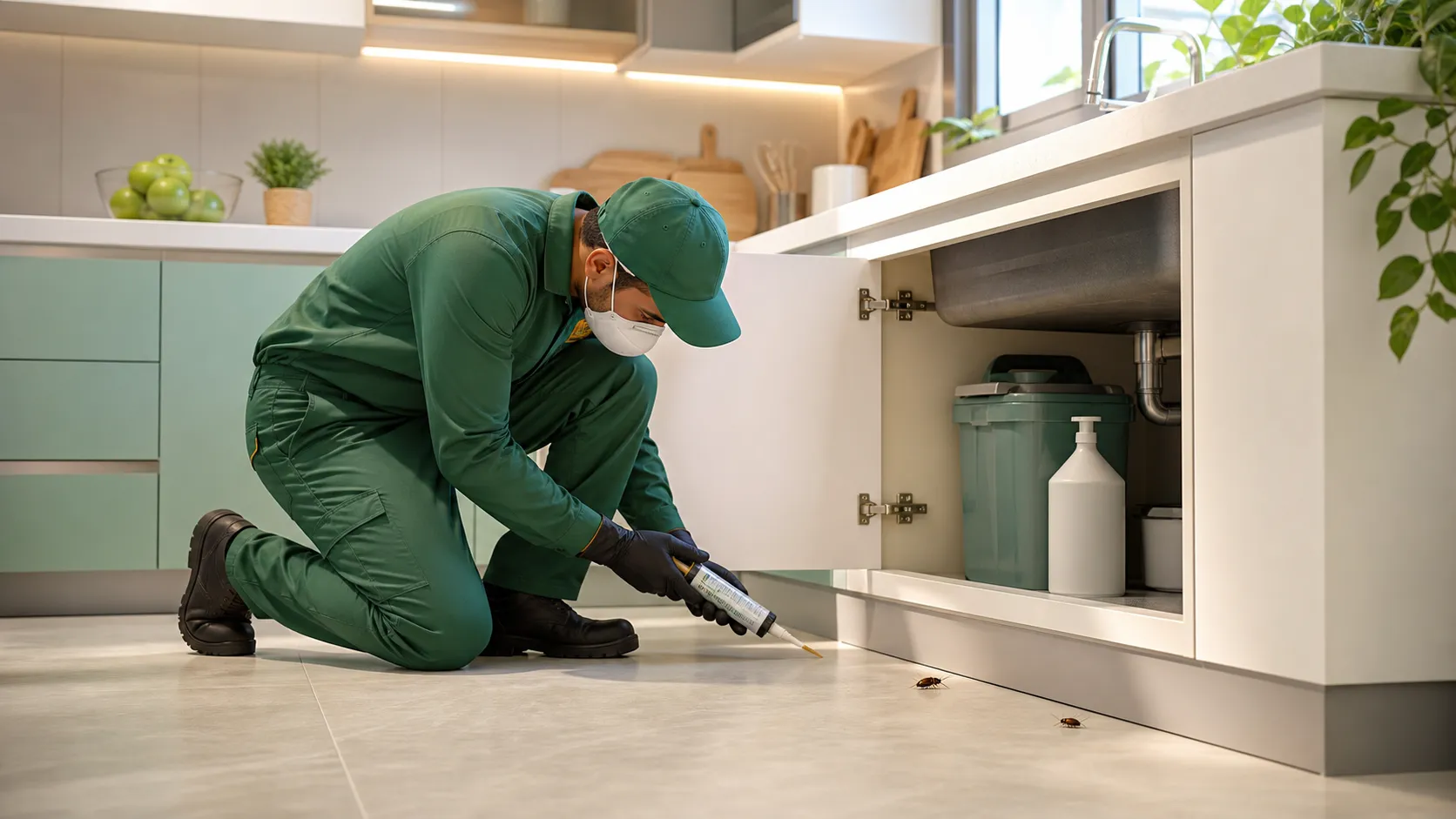
We wipe out cockroaches and their eggs in the kitchen and bathroom
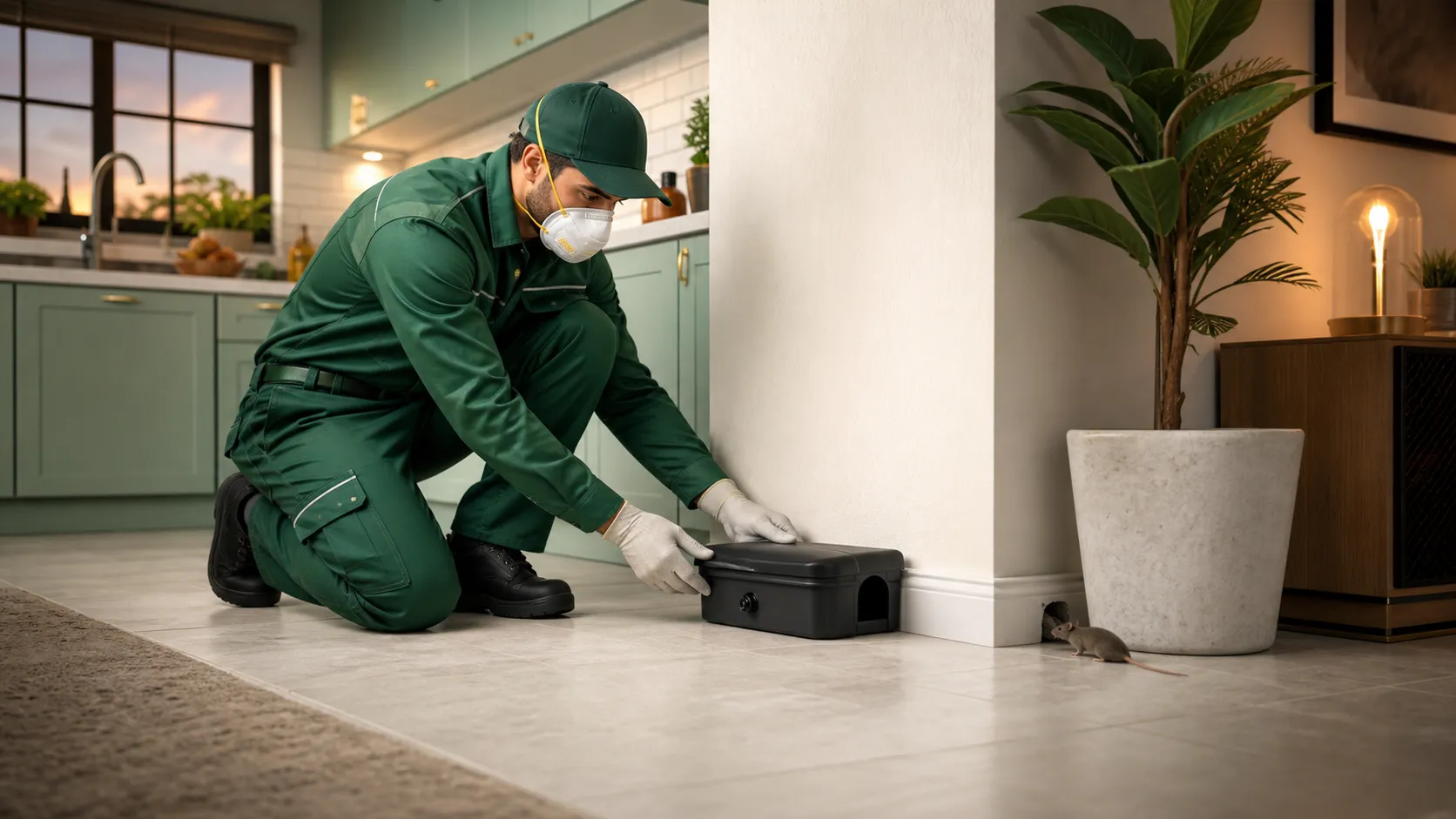
We close off every route the mice use and stop them coming back
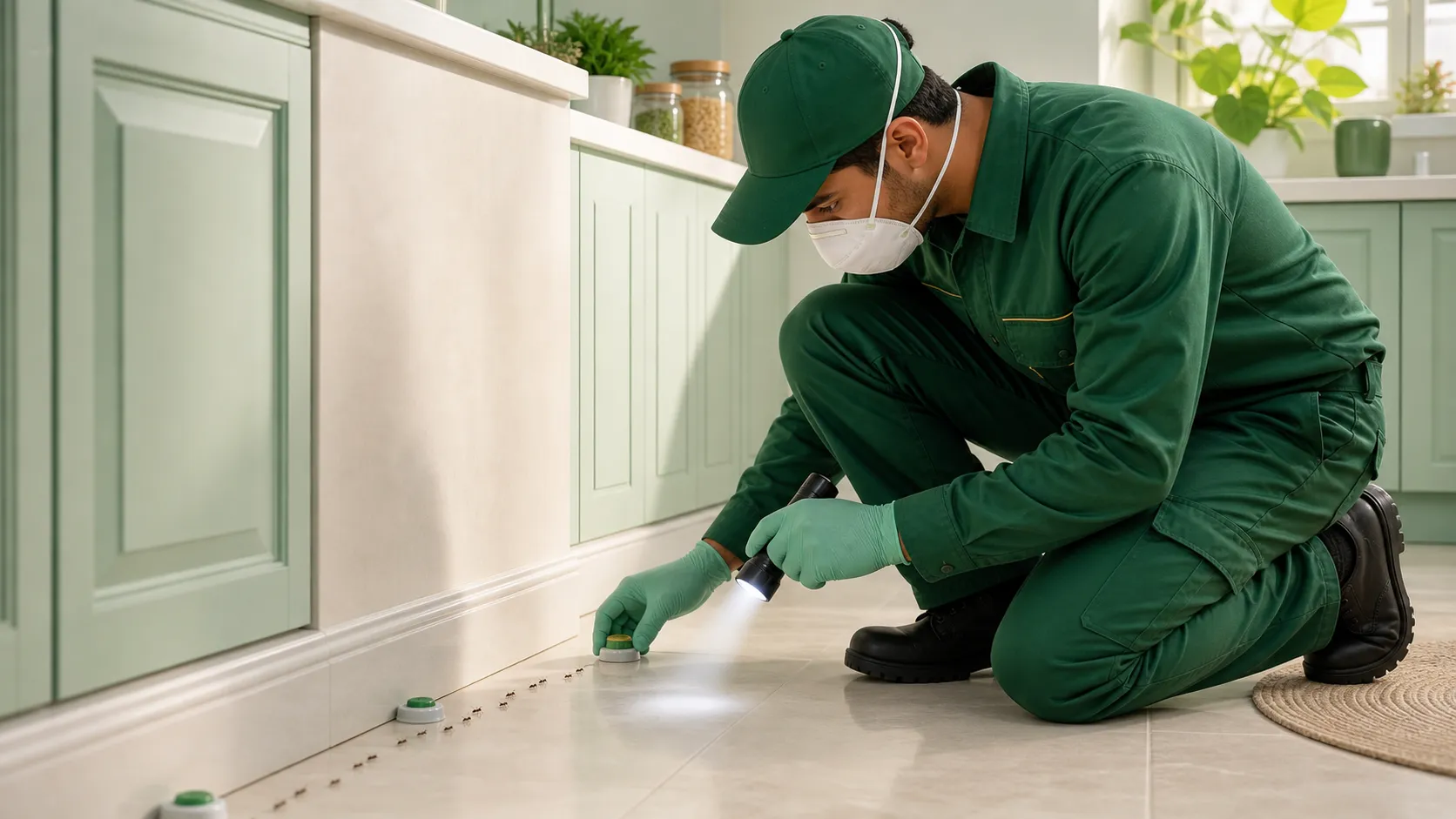
We stop the ant trails at the nest itself
Call or message us on WhatsApp now. We'll be with you the same day, God willing, with a clear plan, an honest price and a written guarantee.
01016613352Open 24 hours a day, 7 days a week