
Termites and Woodworm: The Damage and How to Protect Your Furniture
Termites and woodworm eat furniture from the inside out. Learn the signs of an infestation, the difference between the two, the damage they cause, and how to protect your timber before it is too late.
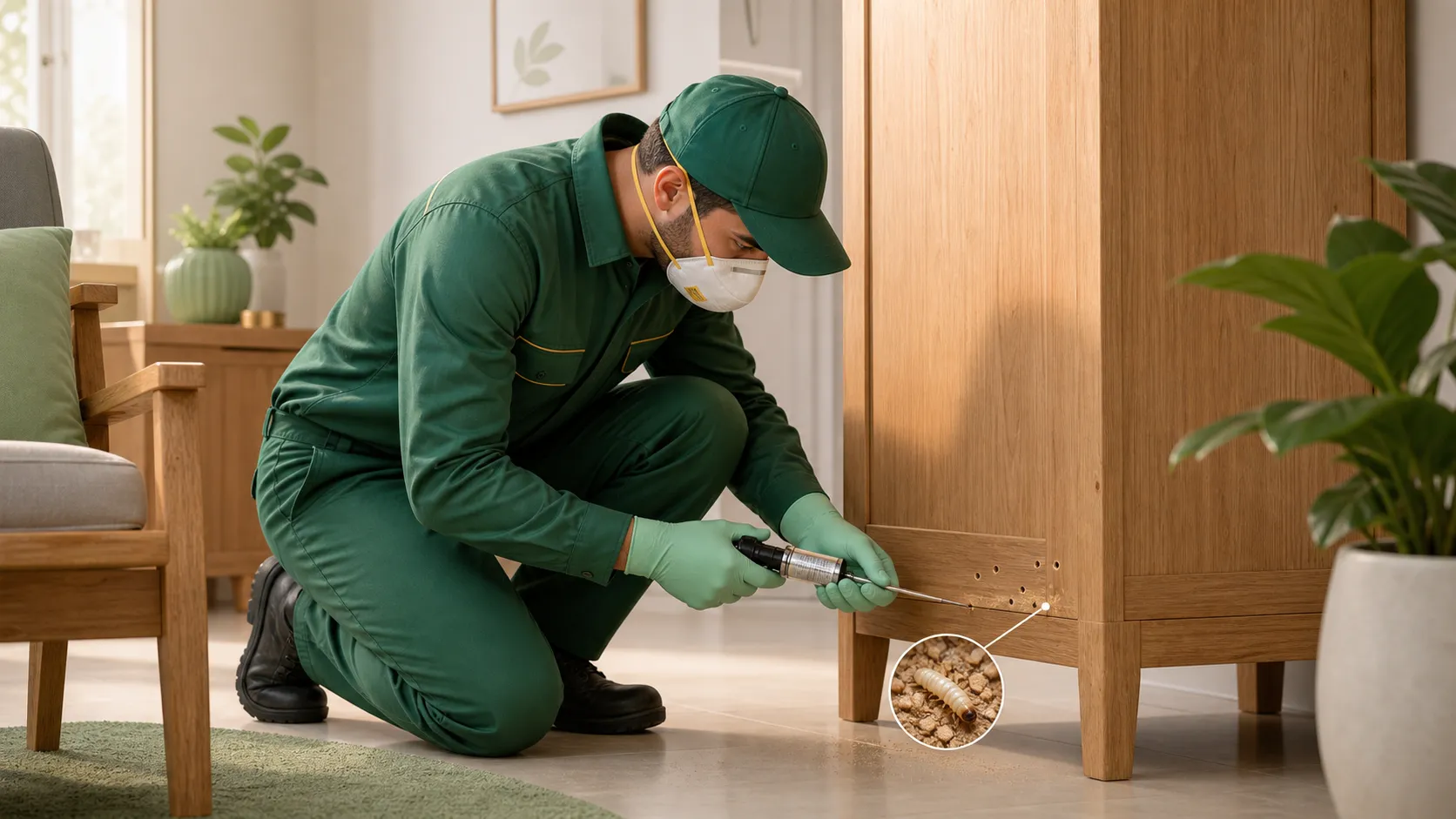
The most dangerous thing about termites and woodworm is that they work out of sight. They do not bite, they do not buzz in your ear, and you will not catch them marching across the wall like cockroaches. That is exactly why so many people only discover the problem late, when a door suddenly feels heavy and sticks as you close it, when a chair leg snaps without warning as you move it, or when you spot a fine flour-like powder gathered under the sideboard. The piece looks perfectly sound from the outside while the inside quietly crumbles away, until the damage finally arrives all at once. If you have opened this article, the odds are you have started to suspect something, or you are worried about furniture you worked hard for.
At Queen Germany we deal with both of these pests every single day, in homes, villas and offices across Egypt, and we understand exactly how they fool a homeowner. In this article we will make the difference between termites and woodworm clear, walk you through the early warning signs you need to watch for, explain the damage they do to your furniture and your building, and show you how to protect your timber before things get worse. We will also explain the serious treatment methods, why home remedies fail with these particular pests, and at the end you will find a large frequently asked questions section that answers what is probably running through your mind right now. The aim is for you to leave here understanding the problem and knowing how to act correctly.
The Difference Between Termites and Woodworm
The first thing that needs to be clear in your head is that termites and woodworm are not the same thing, even though people mix them up constantly. Both feed on the cellulose in wood, so the end result looks similar: timber that is eaten away from the inside and loses its strength. But the appearance, the behaviour and the way each one is treated are completely different, and that distinction matters, because anyone who treats the two the same way usually fails.
Woodworm is not really a single insect at all. The term refers to the larvae of small beetles that bore into the timber itself and live inside it. The parent beetle lays its eggs on the surface of the wood or in its cracks; the eggs hatch into larvae that eat and tunnel through the piece for months, sometimes years; then they mature and emerge as beetles through a tiny exit hole, before flying off to find fresh wood to lay their own eggs in. The infested piece stays exactly where it is while the woodworm eats it from within and you remain none the wiser. This is the type that leaves the small holes and the fine powder under the antique cabinet.
Termites are a completely different story. These are not “ants” in the sense you might picture. A termite is a social insect that lives in enormous colonies, sometimes reaching hundreds of thousands of individuals, either underground or inside the walls. The colony works around the clock and will eat anything containing cellulose: wood, paper, cardboard, even books and documents. Because termites hate air and light, they build thin mud tubes so they can travel while staying protected. Once they reach your home they will not stop at a single piece; they move from door to door and from one piece of timber to the next, and they can reach the structure of the building itself on ground floors and in villas.
To make the picture clearer, take a look at this table, which sums up the difference:
| Point | Woodworm | Termites |
|---|---|---|
| Nature of the pest | Beetle larvae living inside the piece | Social insect in enormous colonies |
| Where it lives | Inside the timber itself | Underground or inside the walls |
| Clearest sign | Small holes and fine powder | Mud tubes on the walls |
| Speed of spread | Slower, moves by flying | Faster, eats large quantities |
| Method of treatment | Injection and surface treatment of the piece | Tracing the colony, treating soil and barriers |
| Risk to the building | Usually limited to the furniture | Can reach the building structure |
As you can see, both destroy wood but in different ways, and each needs a different plan. That is why the first step in any serious treatment is the correct diagnosis: is this a woodworm infestation inside a piece, or termites coming up from the soil and threatening the whole building? The answer to that changes everything that follows.
The Signs of an Infestation You Need to Watch For
The single most important thing in this whole matter is catching it early. Neither of these pests announces itself; you are the one who has to notice. And because the infestation stays hidden, you need to know the tell-tale signs so you can catch it before the damage grows. Let us go through the signs one by one.
Small Holes in the Wood
This is the most familiar sign of woodworm. Small round holes, as if someone had pricked the piece with a pin or a fine nail. These are the exit holes the beetles make when they mature and emerge. One important thing to distinguish: if the holes look pale and fresh inside with new powder around them, the infestation is still active right now. If the holes look dark, dusty and there is no powder, it could be an old infestation that has stopped. Do not rely on appearance alone, though; a specialist inspection is what confirms it.
Fine Wood Powder (Frass)
This powder looks like flour or a fine dust, and you will find it gathered under the furniture, on the floor beside a door, or on the shelf below the affected piece. It is the waste left by the larvae as they eat and tunnel, and it is considered the clearest evidence of an active infestation. There is a simple test you can do yourself: clean the powder away thoroughly, then check again a few days later. If you find it has gathered again, the woodworm is working away inside right now, so do not wait.
Mud Tubes on the Walls
This is specifically a sign of termites, not ordinary woodworm. Thin brown lines like mud or silt run up from the floor along the wall, or appear around pipework, or behind the sideboard and wardrobes. Termites build these tubes so they can move from the colony to the wood while staying protected from air and light. If you see these tubes, the matter is serious and needs quick action, because it means there is an active colony close to you.
A Faint Sound Inside the Wood
In the quiet of the night you may hear a faint rustling or ticking inside a door or a piece of furniture. That is the sound of the larvae eating and tunnelling. Not everyone hears it, and it needs complete silence, but if you do hear it, do not dismiss it; treat it as a signal worth an inspection.
Crumbling or Spongy Wood
If you step on the parquet and feel it give a little under your foot, or you press on a door frame and find it soft or hollow inside, or you knock on a piece and the sound comes back empty, that is an infestation that has reached an advanced stage. The wood here has been eaten away inside to the point where it has lost its strength, and the slightest pressure could break it.
Discarded Wings Beside the Window
At a certain season of the year, winged termites swarm out in search of a new place to establish a colony, and once they land they shed their wings. If you find small transparent wings gathered beside the window or under a light, that is a strong sign there is a colony nearby that is breeding. This is a sign many people walk straight past without realising it is a warning.
Where Exactly to Look
You will not find these signs right in front of your eyes; you have to search the hidden spots. Focus on the backs of wardrobes and the sideboard (the part pressed against the wall that you never see), under beds, the bottoms of door frames, the parquet along the walls, wooden shutters and windows, and any timber in contact with moisture such as under the sink or beside the bathroom. Damp draws termites in very strongly, so any wood near a leaking pipe or a weeping wall should be the first place you check. If you find any of these signs of woodworm, do not put it off; the woodworm keeps eating while you are still thinking it over.
The Damage They Cause to Your Furniture and Your Home
People sometimes take this lightly and say, “What harm can a tiny insect do?” But the difference between termites or woodworm and any other pest is that they destroy something with genuine value. A cockroach contaminates, bedbugs bite and rob you of your sleep, but these two eat the very fabric of the home. Doors, parquet, beds, the sideboard, fitted kitchens, shutters, and even the ceiling joists in older buildings. This is not a small loss you can simply shrug off.
The damage happens in silence, and that is what makes it so treacherous. As we said, woodworm eats the wood from the inside out, so the piece keeps looking sound on the outside until it is almost hollow within. At that point the slightest pressure breaks it. Plenty of people assume their furniture is still fine, then are suddenly stunned to find that half the wardrobe has rotted from the inside. Termites in particular are more dangerous, because they do not stop at one piece; they move from timber to timber, and they can reach structural parts of the home such as ceiling joists, the main doors, and even some finishing elements.
And the loss is not only financial. A solid hardwood door, an antique sideboard you inherited from your family, or a dining suite you built up over years are things that cost thousands of pounds to replace, and sometimes they are a memory rather than just money. The longer treatment is delayed, the higher the cost climbs, because wood that has already been eaten needs replacing rather than treating. In other words, delay does not save you anything; delay quietly eats into your capital. The difference between acting now and waiting a few months is the difference between treating wood and protecting it, and between throwing furniture away and buying it new.
How Do Termites Get Into Your Home?
It is a logical question that occurs to anyone who has found a sign: where did this pest come from in the first place? Understanding the routes in matters, because it helps you close the door on an infestation and know where to inspect. Termites in particular have well-known pathways they use to reach the timber in your home.
The first and most common route is the soil. Subterranean termites live in colonies underground and come up from them in search of wood. That is why ground floors, villas and houses with gardens are the most exposed, because the wood in them is closer to the soil. Any timber in direct contact with the ground, such as joists in a garden or wood stored on tiles with moisture rising beneath it, becomes an easy bridge for termites to cross over to the rest of the home.
The second route is moisture. Termites are drawn to damp very strongly, so any leaking pipe, weeping wall or spot where water pools becomes a powerful point of attraction. These places do not just attract them; they also make life easier for the pest and leave the nearby wood weaker and easier to eat. That is why under sinks, beside bathrooms and in kitchens are among the most common places we find infestations.
There are other routes as well: cracks and joints in foundations and walls let termites slip in without you seeing them. Winged termites in the swarming season fly in through windows and establish a new colony nearby. And there is one important case many people overlook: second-hand and already-infested furniture. If you bring an old antique sideboard, a door or a wooden panel into the home from someone, and it had woodworm or termites in it, then you have carried the infestation in with your own hands and it can spread to the rest of your furniture. That is why inspecting any second-hand timber before it enters the home is an important rule. And if you also have a problem with ordinary ant control — the kind that comes in through the windows looking for food — that is an entirely different type that is treated in a different way.
How to Protect Your Furniture and Timber
Protection starts with understanding that this is about prevention and treatment together. There is no such thing as wood that is one hundred per cent immune, but there is a huge difference between a home that pays attention and a home that lets things slide. Let us walk through some practical steps you can take to protect your furniture and reduce the chances of an infestation from the very start.
The most important point is controlling moisture. As we said, damp attracts termites and weakens wood. Fix any leaking pipe quickly, ventilate the inner rooms and store rooms, and keep an eye on any timber pressed against a weeping wall. The drier and better-ventilated the home, the less attractive it is to these pests.
Next, keep wood away from direct contact with the ground and the soil, especially on ground floors and in gardens. Do not leave wood or cardboard piled up on the floor for long periods, because it is an open invitation to termites. And if you have timber that must be stored, keep it raised off the ground and in a dry place.
Focus too on inspecting second-hand furniture before it enters the home. Any antique sideboard, old door or even a small piece from someone else — look it over carefully and check its back and the hidden spots before you bring it in. This is one of the most common ways an infestation crosses into a home that was clean. And keeping the varnish and paintwork sound makes a difference, because bare, untreated wood is far easier to infest than wood that is well covered.
Finally, inspect the hidden timber regularly. Do not wait for the signs to come to you; go and look for them yourself every so often, on the backs of wardrobes, under beds, the bottoms of door frames and the parquet along the walls. This regular inspection catches an infestation early while it is still small, and that is the difference between a simple treatment and a major problem. If you live in an area known for termites, or in a villa or on a ground floor, consider preventive treatment for the building, because prevention here is far cheaper than waiting for the infestation to reach the structure of the home. And for protecting your furniture from woodworm to be genuinely effective, these habits need to run alongside specialist treatment, not replace it.
Treatment Methods (Injection and Treatment) and Why a Specialist Is Essential
Once you reach the point where there is an actual infestation, the conversation shifts from prevention to treatment. And serious treatment has one rule: it has to reach the activity inside the wood, not just coat the surface and be done. That is precisely what separates proper work from work that looks successful for a few months before the woodworm starts emerging again. Let us explain how a serious treatment proceeds, step by step.
The Initial Inspection and Diagnosis
The first thing that has to be done is a careful inspection. The technician examines the furniture, the doors, the parquet and the hidden spots, and before anything else determines: is this woodworm or termites? That is a major difference in the method of treatment, as we explained. Then they assess the extent of the spread, which pieces are infested, and what has been eaten from the inside and can still be saved. This diagnosis is what shapes the entire plan, which is why a reputable company will not quote a price before it has had a look, and that is a matter of being honest with you.
Injecting the Infested Wood
This is the heart of the work with woodworm. We make precise holes at carefully measured points on the infested piece and inject the specialist product inside under the right pressure, so it reaches the network of tunnels where the larvae live. This injection is what kills the larvae deep inside that the surface never reaches. It is done with a precision that preserves the look of the wood, and together with the additional surface treatment we cover the whole piece, the visible and the hidden. The difference between a company that knows what it is doing and one that just coats the surface becomes obvious a few months later, when the woodworm returns.
Treating Termites at the Colony
If the diagnosis comes back as termites, the plan changes completely. Here there is no point in treating only the infested wood and leaving the colony working away, because it will simply send out a fresh army. Proper work traces the mud tubes and the pest’s routes until it reaches their source, and treats the soil surrounding the building or the entry points with products that form a chemical barrier preventing the colony from reaching the wood again. This is work that targets the colony itself, not just the insect that has emerged, in order to close the problem off at its root.
Preventive Treatment and Follow-Up
Serious treatment does not stop at treating what is already infested. Sound wood close to the infestation is at risk of being attacked next, which is why we give it a preventive treatment to protect it, especially the doors, the parquet and the valuable pieces. And at the end comes the follow-up, to make sure the activity has stopped completely, along with a report on what was done and advice to prevent the problem recurring. These are the steps that separate “putting out a fire” from protecting your home over the long term.
Why a Specialist Is Essential
You might ask yourself: why not do it myself and save the money? The answer comes down to one word: access. The difference between you and a specialist is not just the product; it is the ability to reach the pest where it lives. Pressure injection needs tools and experience to get the product to the right depth without ruining the wood. Tracing the colony needs an eye that knows how to read the signs of termites. And treating the soil and barriers needs knowledge of the products and their dosages. On top of that, the specialist distinguishes between woodworm and termites and treats each in its own way, and understands the type of wood and how to treat it without harming its appearance or its varnish. This is what lets specialist woodworm treatment protect the piece without damaging it, with a guarantee on the treated wood.
Why Home Remedies Fail
Plenty of people start with remedies from home before calling a specialist, and that is natural and understandable; nobody likes to pay if they think they can sort it out themselves. But we have to be honest with you: woodworm and termites are among the hardest pests of all for home remedies, because the whole problem is hidden inside the wood or underground, and surface remedies simply never reach it. Let us understand why each remedy people try at home fails.
The paints and varnishes people apply, thinking they will kill the woodworm, form a layer on the surface only, while the larvae carry on living inside in their tunnels, finishing their meal and emerging through a fresh hole some time later. Paraffin, kerosene and folk recipes are a genuine danger to the home and can start a fire, they damage the wood and the varnish, and their effect on the woodworm is superficial and temporary. Off-the-shelf sprays from the supermarket are designed in the first place for crawling insects on the surface; they have neither the pressure nor the penetration to drive the product into the wood and reach the tunnels. Putting furniture out in the sun may reduce activity temporarily in a very mild surface infestation, but it does not kill the eggs or the larvae deep inside, and the woodworm comes back. With termites the matter is harder still, because the colony is underground or inside the wall, so you might kill the ones that have emerged and think you are done, while the whole colony is still working away.
To make the picture clear, take a look at this table, which compares the home remedy with the specialist:
| Point | Home Remedy | Specialist |
|---|---|---|
| Reaching inside the wood and the tunnels | Surface only | Pressure injection that reaches the depth |
| Dealing with a termite colony | Almost impossible | Tracing, soil treatment and barriers |
| Killing the eggs and the larvae deep inside | Usually not | Yes, at depth |
| Protecting the sound wood nearby | Usually none | Preventive treatment within the plan |
| Safety for the wood itself | May ruin the varnish | Products that do not harm the surface |
| Guarantee | None | Guarantee on the treated wood |
In short, a home remedy may delay the problem or hide it, but it rarely closes it off. The most dangerous thing about it is that it gives you a false sense of security while the woodworm is working away inside the whole time. And if you do the sums properly, the right work from the start — while it saves valuable furniture — turns out to be the cheaper option in the end, not the more expensive one.
Prevention Tips
Beyond the steps we explained above on protecting your furniture, there are some simple habits that, if you keep to them consistently, will greatly reduce the chances of an infestation. These tips are not a substitute for a specialist, but they complement one and preserve the result of the treatment. Let us gather them into practical points you can start with today:
- Inspect any second-hand timber before you bring it into the home. An antique sideboard, an old door, or a wooden panel from someone else — woodworm rides in on them and spreads to the rest of your furniture.
- Control moisture. Fix any leaking pipe, ventilate the inner rooms and store rooms, and keep an eye on timber pressed against a weeping wall.
- Keep wood away from direct contact with the ground and the soil on ground floors and in gardens, because that is the most common route for termites.
- Inspect the hidden timber regularly. The backs of wardrobes, under beds, the bottoms of door frames, and the parquet along the walls.
- Look after the varnish and sound paintwork, because bare, untreated wood is easier to infest than wood that is well covered.
- Do not store wood or cardboard piled up on the floor for long periods, especially on ground floors.
- If you live in an area with termites, consider preventive treatment for the building, because prevention is far cheaper than repairing the structure of the home.
And if you do happen to suspect any sign despite all of this, do not wait and see. Early prevention is always cheaper and easier than losing the furniture and buying it new, and inspecting early gives the piece a far better chance of being saved.
Frequently Asked Questions
What is the difference between woodworm and termites?
Woodworm refers to beetle larvae that live and eat inside the wooden piece itself, leaving holes and powder, and it is treated with injection and surface treatment of the piece. Termites are a social insect that lives in enormous colonies underground or in the walls, moving from timber to timber through mud tubes, and they need treatment of the colony, the soil and barriers for the building. The correct diagnosis is what determines the right method for each case.
How do I know whether the infestation is still active or old?
The clearest evidence of an active infestation is fresh powder (frass) gathered under the piece, along with holes that look pale inside. Clean the powder away thoroughly, and if you find it has gathered again after a few days, the woodworm is working away right now. A specialist inspection confirms this accurately and determines the stage, so that you do not treat something that has finished or leave something that is still active.
Does the injection ruin the look of the furniture?
No, when it is done correctly. The holes made for the injection are very precise and are placed in the least visible spots possible, and they are sometimes filled after the treatment. Reputable products are chosen so as not to harm the varnish or change the colour. The aim of correct treatment is to protect the piece, not to disfigure it.
Do I have to throw out the infested furniture?
In most cases, no. The injection and treatment stop the infestation and save the piece as long as it still has enough sound wood. Throwing it away is the last resort, when the piece has been eaten from the inside to the point where it has become dangerous or completely hollow. That is why speed matters: the earlier you catch it, the greater the piece’s chance of being saved.
Are the products safe for children and pets?
Yes, when they are applied correctly. The approved products designed for timber are licensed for use in residential settings, and the injection keeps them inside the wood rather than in the air of the room, which reduces any contact. We recommend ventilating the area and letting it dry for a short while after the work, and after that the home returns to normal. If you have children or pets, tell us from the start so the plan can be arranged around your comfort.
How long before I can use the furniture and sleep in the room?
Usually after the area has been ventilated and dried for the period the technician specifies, which is generally the same day or the day after. You do not need to leave the home for days or move the furniture out, and the work is arranged so that it does not disrupt your life.
Do termites come back after treatment?
If they have been treated correctly at the colony, no. The problem is that surface treatment only kills the ones that have emerged, and the colony goes back to sending out a fresh army. Proper work traces the colony, treats the soil and creates chemical barriers that prevent a return, and it comes with a guarantee. That is why it is important to choose a company that understands termites, rather than one that just sprays and walks away.
What are these mud tubes on the wall?
These are a distinctive sign of termites. Thin brown lines like mud or silt run up from the floor along the wall or around pipework, and termites build them so they can move while staying protected from air and light. If you see them, there is an active colony nearby and the matter is serious, so act before they reach more wood or the structure of the building.
How do termites get into the home in the first place?
The most common route is the soil, because subterranean termites live underground and come up in search of wood, which makes ground floors and villas the most exposed. After that comes moisture, because they are drawn to any leaking pipe or weeping wall. And there are other routes such as cracks in the foundations, winged termites that come in through the window during the swarming season, and infested second-hand furniture that you bring into the home without inspecting it.
Does moisture really attract termites?
Yes, and to a large degree. Damp attracts termites very strongly, and it also weakens the wood and makes it easier to eat. That is why places such as under sinks, beside bathrooms and in kitchens are among the most common spots where we find infestations. Controlling moisture and fixing any leak is one of the most important prevention steps.
I treated the piece with a product myself and the woodworm did not come back — what would you do differently?
The difference is in access. The coating forms a layer on the surface, while the woodworm lives inside in the tunnels, so it finishes its meal and emerges later. Correct treatment injects the product into the wood under pressure so it reaches the tunnels themselves, treats the whole piece, follows up, and provides a guarantee. This is work that targets the pest where it lives, rather than papering over it.
Is this urgent, or can I wait a while?
Woodworm does not wait. It works around the clock and eats into your wood even while you are thinking it over, and it is not like a pest you can “see” and put off dealing with. With each passing day the damage grows, and the piece that could be saved today may be beyond saving in a few months. If you see a sign, act quickly.
I have an infestation in more than one piece — can they all be treated?
Of course. A thorough inspection is carried out across the whole home; we identify every infested piece and also the sound wood nearby that is at risk of infestation, and we treat them together. This matters more with woodworm than with anything else, because leaving any infested piece means the infestation will spread all over again.
Does woodworm move from one piece to another?
Yes. When woodworm matures, it flies off to find fresh wood to lay eggs in, so it can move from the sideboard to the door to the bed. Termites move through their tubes to any wood they find. That is why proper work does not treat only the infested piece; it gives the sound wood nearby a preventive treatment to close the door on the spread.
Can new wood get woodworm?
It can, especially if the wood was not well treated at the factory or was stored next to infested wood. There is no such thing as wood that is one hundred per cent immune, but wood that is preventively treated and covered with sound varnish is far harder to infest. If you have bought new furniture and you are worried, a preventive treatment will put your mind at rest.
How long does it take to be sure the woodworm is gone?
That depends on the size of the infestation and the type of pest. Woodworm inside a single piece can be dealt with in one visit and a follow-up, whereas widespread termites take longer because the work is on the colony. The important thing is that you follow up and stick to the prevention advice, and the guarantee gives you peace of mind that any activity that returns will be dealt with.
In Summary
Termites and woodworm are the kind of pest that costs you dearly if treatment is delayed. Both work out of sight, eating the wood from the inside, and the piece keeps looking sound until you are stunned to find it hollow. In this article we have learned the difference between them, the signs of an infestation you need to watch for, the damage they cause, how termites get into your home, and how to protect your timber. We have also learned that serious treatment depends on reaching the pest where it lives through injection and treating the colony, and that home remedies fail because they are superficial.
The most important message we will leave you with is speed. Every day of delay means more wood eaten away and a higher cost. If you see any sign, or even just have a suspicion, do not wait until the damage shows. At Queen Germany we deal with this situation every day, with a team that understands the wood and not just the pest, with injection and treatment that reaches the depth, preventive protection for the sound wood, and a guarantee on the treated wood to put your mind at rest. If you suspect an infestation, or you want specialist woodworm treatment to protect your furniture before the damage grows, get in touch now and tell us what you saw and where, and we will arrange an inspection for you as soon as possible. Bring the safety back to your home, and protect the furniture you worked hard for before it is ruined.
More articles for you
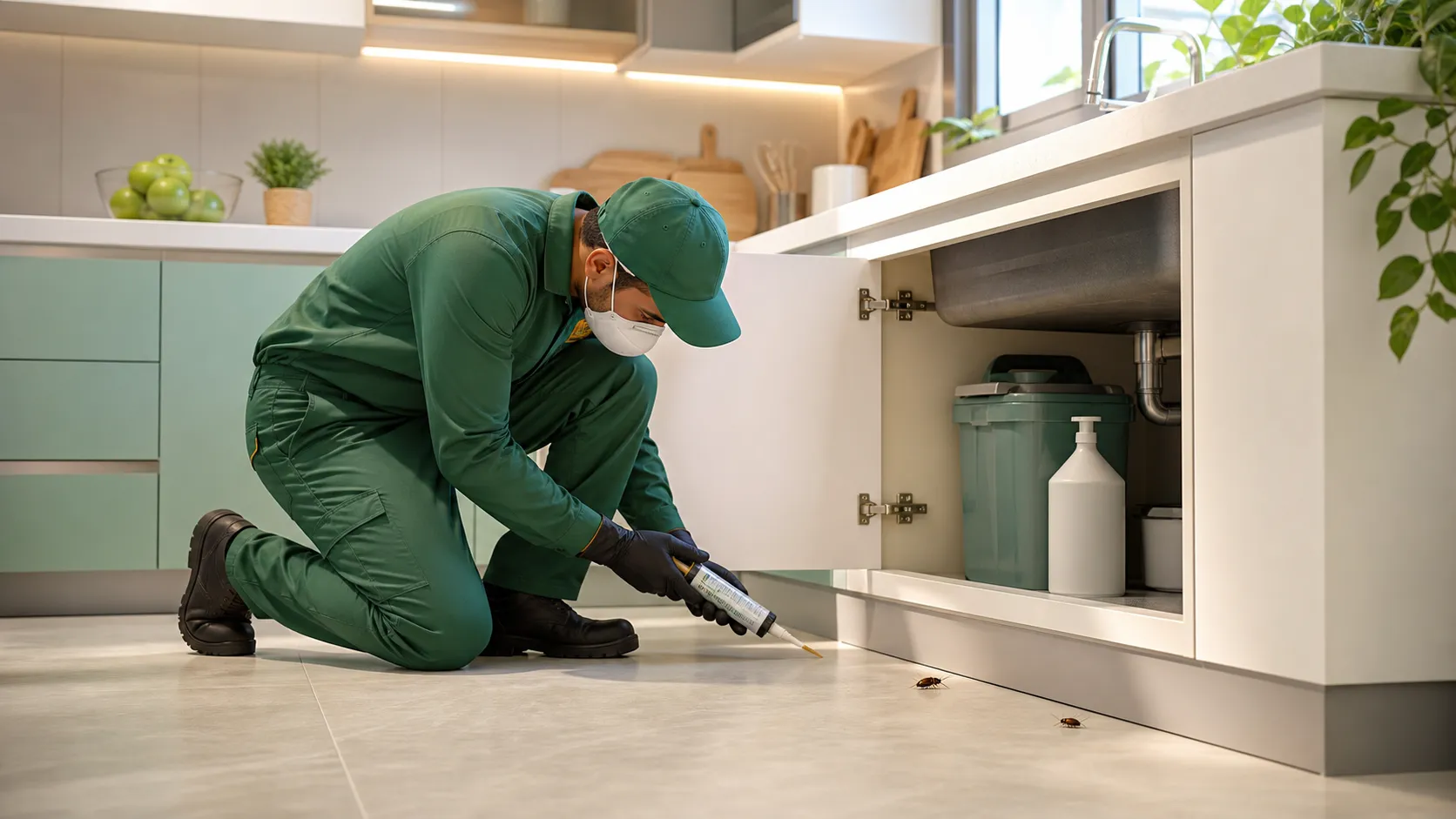 Cockroaches
 How to Get Rid of Cockroaches in the Kitchen: A Practical Step-by-Step Guide
Why do cockroaches keep appearing in your kitchen and coming back after you spray? Practical steps to get rid of kitchen cockroaches, and when you need a specialist with gel bait and a guarantee.
Read article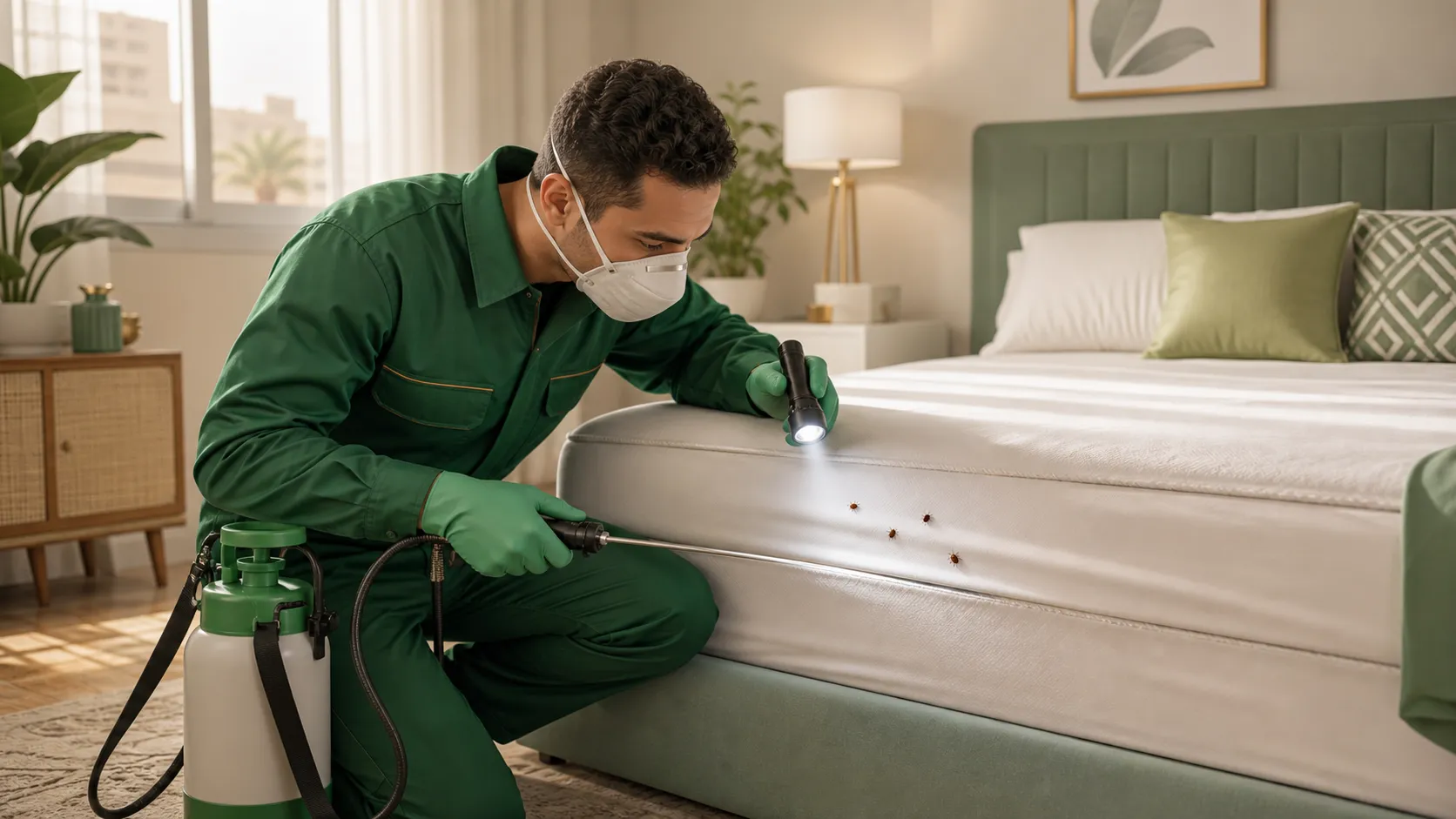 bedbugs
 Bedbugs: What They Look Like, the Tell-Tale Signs, and How to Get Rid of Them for Good
Wondering whether you've got bedbugs? Here's what a real bedbug looks like, the signs to watch for at home, how to tell bedbug bites from mosquito bites, and the steps to get rid of bedbugs at the root.
Read article